


National Windmill Day
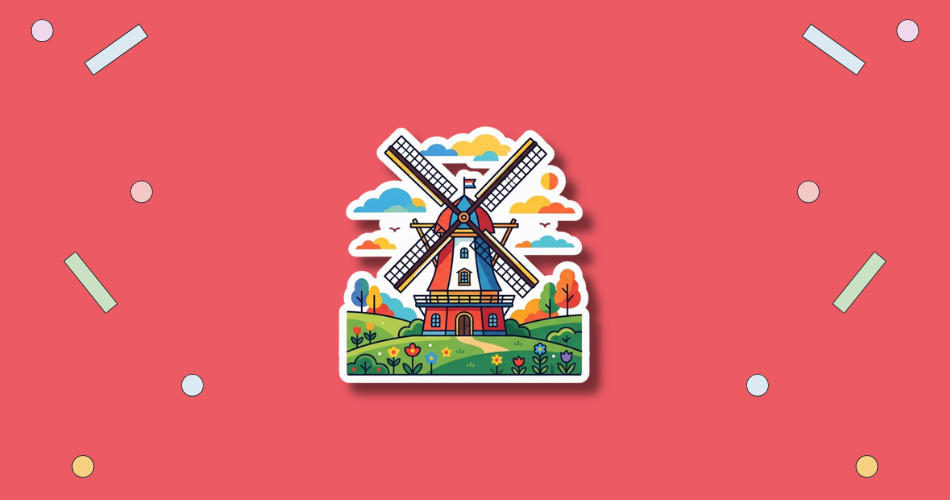
National Windmill Day is observed on the second Saturday of May. In 2026, it falls on May 9. This holiday celebrates the historical significance and engineering of windmills, highlighting their transition from essential industrial tools to iconic cultural landmarks. While it originated in the Netherlands, the day is recognized internationally by history enthusiasts and those interested in sustainable wind energy.
Contents
See also: Global Wind Day, National Renewable Energy Day, National Big Wind Day
HT Meter
Does this day matter to you?
Tap the meter if it does, and say whether you will be celebrating — that is what opens the wishes from everybody else who will be.
This day matters to me
0 Be the first to say so
Just getting started
0 Let others know you’re in.
Wishes, greetings and stories
Join the celebration to share a wish, a greeting, or how this day goes in your house.
These are kept for the people celebrating this day. Say you will be celebrating to read them and to add your own.
You have already shared something here recently.
Nothing here yet. Yours would be the first.
History of National Windmill Day
The roots of this holiday are firmly planted in the Netherlands, often called the country of windmills. In 1973, the Dutch association De Hollandsche Molen established National Mill Day to encourage the preservation of these giant wooden structures. Historically, windmills were the powerhouses of early European society, used for grinding grain, sawing timber, and pumping water to reclaim land from the sea. By the 19th century, over 9,000 windmills dotted the Dutch landscape, providing the mechanical energy needed for trade and survival.
Global Wind Day
As steam and electric power became common in the 20th century, many traditional mills fell into disrepair or were dismantled. The holiday was created to prevent the total loss of this craftsmanship by opening historic sites to the public once a year. Today, the event has grown to include nearly 1,000 wind and water mills across the Netherlands and has inspired similar celebrations in other countries. It serves as a bridge between the ancient technology of the past and the modern wind turbines used for renewable energy today.
Why is National Windmill Day important?
This day is important because it honors human ingenuity and the early foundations of mechanical engineering. For centuries, windmills represented the pinnacle of technology, allowing communities to process raw materials and manage water levels on a massive scale. By celebrating these structures, the holiday preserves a physical link to a pre-industrial world where the rhythm of daily life and work was dictated entirely by the weather and the wind.
The holiday also promotes the value of renewable energy and environmental awareness. It highlights that the idea of harnessing the wind for power is not a new concept, but a traditional practice that has been refined over hundreds of years. By visiting these sites, people can learn about the durability of natural energy sources. This recognition encourages modern efforts to transition away from fossil fuels toward cleaner alternatives like wind turbines.
- It preserves the architectural and cultural heritage of historic milling sites
- The holiday educates the public on the mechanics of traditional wind power
- It supports local tourism and the maintenance of old structures through entrance fees
- The day connects historical wind usage to modern renewable energy goals
- It offers a rare chance to see private or non-operational mills in action
How to Celebrate National Windmill Day
Make it yours
How would you like to spend National Windmill Day?
Tick what fits you, and we will put together ideas made for this day — not for any day.

National Big Wind Day
The most direct way to celebrate is by visiting a historic windmill or water mill. On this day, many millers open their doors to the public, offering guided tours that explain how the giant cogs and sails work together to produce flour or move water. Many sites fly a blue flag or decorate the sails with colorful banners to signal they are open for visitors. It is an excellent time to witness these massive wooden machines in motion and hear the unique sounds of the creaking timber and rushing air.
If you cannot visit a mill in person, you can participate by learning about the different types of windmills, such as post mills or smock mills. Many enthusiasts share photographs and videos of operational mills on social media to spread awareness. Families often engage in themed crafts, such as building small-scale models or visiting museums dedicated to agricultural history. Supporting organizations that specialize in mill restoration is another practical way to ensure these landmarks survive for future generations.
- Take a guided tour to see the internal gears and millstones in operation
- Buy flour or local products directly from a working grain mill shop
- Cycle or walk through the countryside to spot different mill styles
- Photograph the decorated sails and share them with the online community
- Donate to a non-profit group dedicated to restoring ancient water or wind mills
National Windmill Day Dates Table
| Year | Date | Day of the week |
|---|---|---|
| 2026 | May 9 | Saturday |
| 2027 next | May 8 | Saturday |
| 2028 | May 13 | Saturday |
| 2029 | May 12 | Saturday |
| 2030 | May 11 | Saturday |