


Day of the Canary Islands
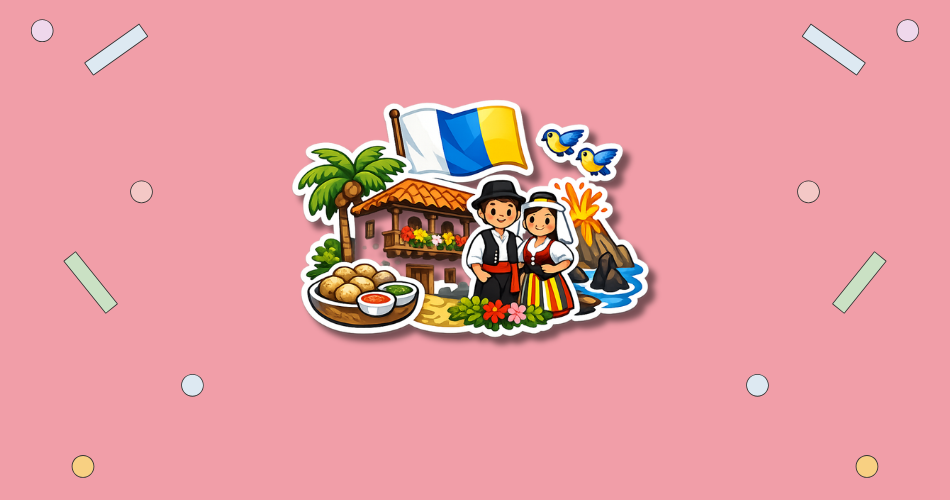
Day of the Canary Islands is observed every year on May 30. In 2027, this date falls on a Sunday. It is a regional public holiday in the Canary Islands, Spain, known locally as Día de Canarias. The day honors Canarian identity, culture, history, and self-government. It is closely connected with traditional music, food, dress, crafts, sports, school activities, public ceremonies, and community gatherings across the islands.
Contents
See also: Spain Hispanic Day, Cinco de Mayo
HT Meter
Does this day matter to you?
Tap the meter if it does, and say whether you will be celebrating — that is what opens the wishes from everybody else who will be.
This day matters to me
0 Be the first to say so
Just getting started
0 Let others know you’re in.
Wishes, greetings and stories
Join the celebration to share a wish, a greeting, or how this day goes in your house.
These are kept for the people celebrating this day. Say you will be celebrating to read them and to add your own.
You have already shared something here recently.
Nothing here yet. Yours would be the first.
History of Day of the Canary Islands
Day of the Canary Islands is tied to the development of the Canary Islands as an autonomous community within democratic Spain. The date marks the first session of the Parliament of the Canary Islands, held on May 30, 1983, after the 1982 Statute of Autonomy established the framework for regional self-government. The observance began soon after that milestone, giving the islands an annual date connected with political representation and shared regional identity. Its meaning is civic as well as cultural, because it links modern Canarian institutions with the people, landscapes, and traditions of the archipelago.
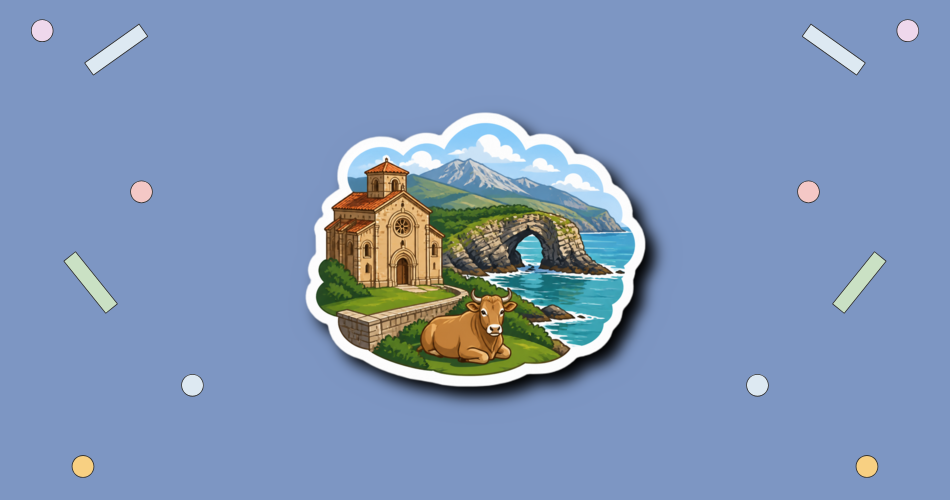
The Day of Cantabria
The holiday has grown into a broad celebration of Canarian life rather than a narrowly political anniversary. Public events often emphasize folklore, traditional dress, local music, island sports, crafts, and food. Schools may use the days around the holiday to teach students about the islands’ history and customs, while local governments and community groups organize programs for residents and visitors. The day gives each island room to show its own character while also recognizing the Canary Islands as one community.
Why is Day of the Canary Islands important?
Day of the Canary Islands matters because it gives public attention to a distinct regional culture within Spain. The Canary Islands have their own history, geography, accents, music, foods, and local customs shaped by island life in the Atlantic. A shared holiday helps keep those traditions visible in everyday life, especially for younger generations who may encounter them through school events, family gatherings, and public performances. It also recognizes the institutions that represent the islands and the autonomy that shapes their public life.
The day also has value because the Canary Islands are not a single cultural or geographic experience. Tenerife, Gran Canaria, Lanzarote, Fuerteventura, La Palma, La Gomera, El Hierro, and La Graciosa each have local identities, landscapes, and traditions. A regional holiday can hold those differences together without flattening them. It gives people a reason to learn about the archipelago as a whole while still honoring the pride people feel in their own island, town, language habits, recipes, music, and family customs.
- It honors Canarian identity across the islands.
- It connects culture with regional self-government.
- It keeps local traditions visible in schools and communities.
- It supports pride in island history and heritage.
- It gives residents a shared annual civic date.
How to Celebrate Day of the Canary Islands
Make it yours
How would you like to spend Day of the Canary Islands?
Tick what fits you, and we will put together ideas made for this day — not for any day.
Madeira Day
Listen to Canarian music, attend a local event, or learn about the history of the Parliament of the Canary Islands and the autonomy process. Food is often an easy way to connect with the day, especially through Canarian dishes such as papas arrugadas with mojo, gofio-based foods, cheeses, fish, local wines, and island desserts. Families and schools may mark the holiday with traditional clothing, classroom activities, music, dancing, or displays about the islands. Visitors can use the day to move beyond beaches and resorts by learning about local culture, markets, museums, and historic neighborhoods.
A thoughtful celebration also means paying attention to the differences among the islands. Read about one island you know less well, learn a few Canarian words or expressions, or look for artists, musicians, writers, and craftspeople from the archipelago. Public celebrations can be lively, but the day also works well as a quiet moment of cultural learning. For Canarians living away from the islands, sharing a meal, a song, a family story, or a photo from home can make the date feel close.
- Cook a simple Canarian-inspired meal.
- Watch a performance of traditional music or dance.
- Read about the first Canarian Parliament session.
- Visit a local museum, market, or cultural event.
- Share a family story connected with the islands.
Day of the Canary Islands Dates
| Year | Date | Day of the week |
|---|---|---|
| 2026 | May 30 | Saturday |
| 2027 next | May 30 | Sunday |
| 2028 | May 30 | Tuesday |
| 2029 | May 30 | Wednesday |
| 2030 | May 30 | Thursday |