


Indian Arrival Day in Trinidad and Tobago
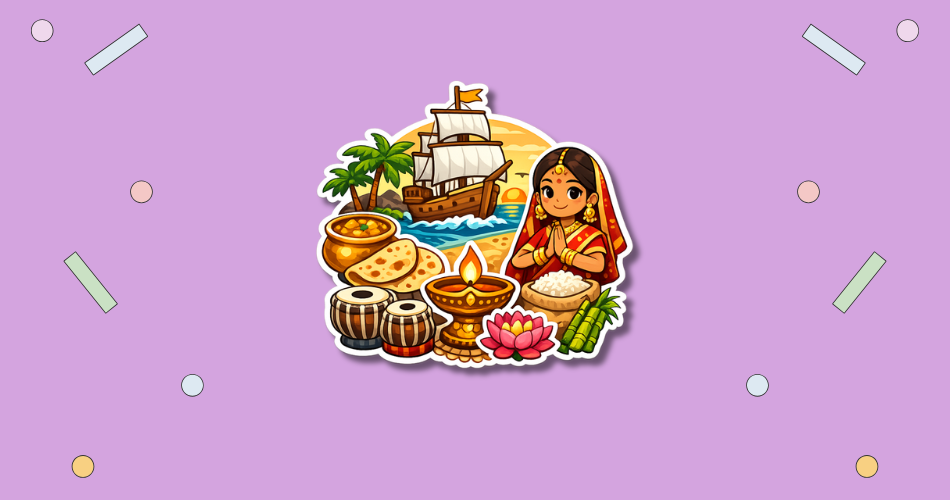
Indian Arrival Day in Trinidad and Tobago is observed every year on May 30. In 2027, this date falls on a Sunday. It is a public holiday that commemorates the arrival of the first East Indian indentured laborers to Trinidad in 1845. The day honors a difficult history of migration, labor, survival, and cultural continuity. It also recognizes the lasting contributions of Indo-Trinidadian communities to the country’s food, music, religion, language, business, agriculture, public life, and national identity. 1 2
Contents
See also: Independence Day in Guyana
HT Meter
Does this day matter to you?
Say that it does, and say whether you will be marking it. Both are anonymous to nobody but kind to everybody.
This day matters to me
0 Be the first to say so
Quietly remembered
0 Nobody has said so yet
Notes of remembrance
Join those marking this day to share a word, a memory, or the reason it matters to you.
These notes are kept for the people marking this day. Say you will be marking it to read them and to leave your own.
You have already shared a note here recently.
No notes yet. Yours would be the first.
History of Indian Arrival Day in Trinidad and Tobago
Indian Arrival Day is tied to May 30, 1845, when the ship Fatel Razack arrived in Trinidad carrying the first group of Indian indentured laborers. Their arrival followed the abolition of slavery in the British Caribbean, when colonial authorities turned to indentured labor to support plantation work, especially in sugar. Indian immigration to Trinidad continued from 1845 to 1917, bringing more than 140,000 people from India to the island under the indenture system. The journey was often harsh, and the lives awaiting many laborers were shaped by difficult contracts, plantation discipline, displacement, and the need to rebuild family and community life in a new place.
Trinidad and Tobago Independence Day
The anniversary of that arrival became a way to remember both hardship and resilience. The observance developed through community commemorations before it became a national public holiday in the 1990s. Today, Indian Arrival Day is connected with re-enactments of the ship’s arrival, cultural programs, religious and community events, music, dance, speeches, and public recognition of service. It is not only about the first voyage; it is also about the generations that followed and the ways Indo-Trinidadian culture became part of the wider culture of Trinidad and Tobago.
Why is Indian Arrival Day in Trinidad and Tobago important?
Indian Arrival Day matters because it keeps a major chapter of Trinidad and Tobago’s history visible. The indenture system shaped the country’s labor force, communities, religions, languages, settlement patterns, and cultural traditions. Remembering that history helps people understand how migration, colonialism, agriculture, and family survival influenced the making of modern Trinidad and Tobago. The day gives public space to honor ancestors whose experiences were often marked by hardship but also by determination, adaptation, and cultural strength.
The observance also matters because it connects history with everyday life. Foods such as roti, doubles, pholourie, saheena, and many curry-based dishes are now part of national cuisine, not only one community’s table. Festivals and observances with Indian roots, including Divali, Eid-ul-Fitr, Phagwa, and Hoosay, have helped shape the country’s shared cultural calendar. Indian Arrival Day encourages a fuller understanding of national identity by showing how different histories can remain distinct while also becoming part of a common national story.
- It honors the first Indian indentured laborers who arrived in 1845.
- It recognizes the hardships and resilience of indentured families.
- It helps preserve Indo-Trinidadian history for younger generations.
- It highlights cultural contributions that shaped national life.
- It supports a more complete understanding of Trinidad and Tobago’s past.
How to Observe Indian Arrival Day in Trinidad and Tobago
Make it yours
How would you like to spend Indian Arrival Day in Trinidad and Tobago?
Tick what fits you, and we will put together ideas made for this day — not for any day.
Indian Republic Day
Attend a community program, cultural performance, lecture, exhibition, or re-enactment connected with the arrival of the Fatel Razack. Many observances include music, dance, religious reflection, speeches, and displays of traditional clothing, food, and artifacts. Reading about indentureship in Trinidad can also make the day more meaningful, especially for families tracing their own history. Schools, libraries, museums, and cultural organizations often provide useful ways to connect the holiday with documented history rather than only general celebration.
Families can use the day to talk about ancestors, migration stories, village histories, and the customs that have been passed down through generations. Preparing traditional foods, listening to chutney, tassa, classical Indian music, or folk traditions, and learning about Bhojpuri, Hindi, Urdu, and other cultural influences can make the observance personal and educational. The day also offers a respectful opportunity for people outside the Indo-Trinidadian community to learn, attend public events, and appreciate the many strands that make up Trinidad and Tobago’s culture. A thoughtful observance balances pride with historical honesty.
- Visit a local cultural event or re-enactment.
- Read about indentureship in Trinidad from a reliable source.
- Talk with elders about family history and migration.
- Prepare or share traditional Indo-Trinidadian dishes.
- Learn about the Fatel Razack and the 1845 arrival.
Indian Arrival Day in Trinidad and Tobago Dates
| Year | Date | Day of the week |
|---|---|---|
| 2026 | May 30 | Saturday |
| 2027 next | May 30 | Sunday |
| 2028 | May 30 | Tuesday |
| 2029 | May 30 | Wednesday |
| 2030 | May 30 | Thursday |