


National Macaroon Day

National Macaroon Day is observed every year on May 31. In 2027, this date falls on a Monday. This cheerful food holiday focuses on the dense, chewy cookie most often made with shredded coconut, egg whites, sugar, and sometimes chocolate. Macaroons are often confused with macarons, but the two desserts are different in texture, shape, ingredients, and baking style. The day gives coconut lovers, home bakers, and bakery fans a simple reason to enjoy a classic cookie with a long culinary background.
Contents
See also: National Cookie Day, National Pecan Cookie Day, National Chinese Almond Cookie Day, Bake Cookies Day, National Homemade Cookies Day, National Buttermilk Biscuit Day
HT Meter
Does this day matter to you?
Tap the meter if it does, and say whether you will be celebrating — that is what opens the wishes from everybody else who will be.
This day matters to me
0 Be the first to say so
Just getting started
0 Let others know you’re in.
Wishes, greetings and stories
Join the celebration to share a wish, a greeting, or how this day goes in your house.
These are kept for the people celebrating this day. Say you will be celebrating to read them and to add your own.
You have already shared something here recently.
Nothing here yet. Yours would be the first.
History of National Macaroon Day
Macaroons have roots in older almond-based cookies connected with Italy and later European baking traditions. Early versions were commonly made with ground almonds, sugar, and egg whites, ingredients that helped create a small cookie with a crisp outside and soft interior. Over time, especially as coconut became easier to obtain and use in baking, the coconut macaroon became the version most familiar to many American dessert tables. A confirmed founder or first sponsor for National Macaroon Day is not widely identified, so the modern observance is best understood as a food holiday built around the cookie itself.
National Chocolate Macaroon Day
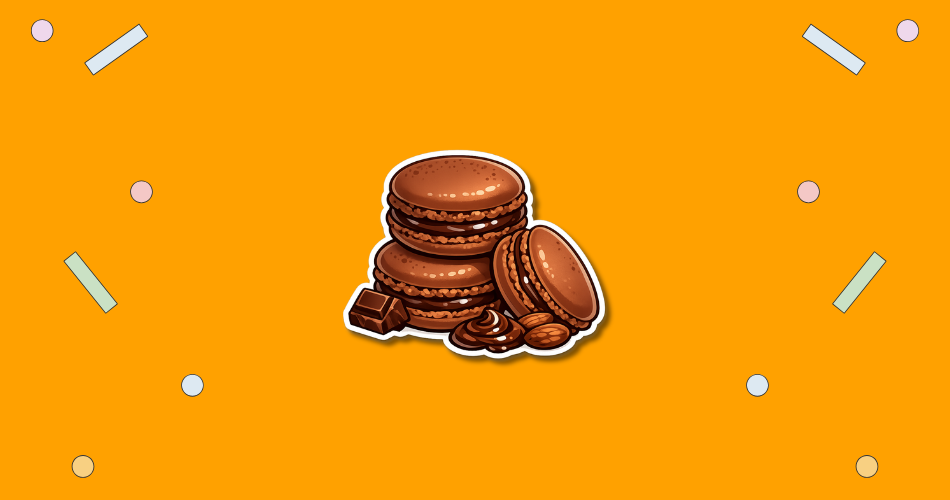
The macaroon’s history is also tied to practical baking. Because many macaroon recipes are flourless and rely on egg whites for structure, the cookie became especially familiar in Jewish Passover cooking, where foods made without wheat flour or leavening have special importance. In everyday American use, the word “macaroon” usually points to a coconut drop cookie, often baked into small mounds and sometimes dipped or drizzled with chocolate. That simple shape and rich texture help explain why the macaroon has remained a recognizable homemade and bakery treat.
Why is National Macaroon Day important?
National Macaroon Day keeps attention on a dessert that is easy to overlook because of its similar name to the French macaron. A macaroon is usually rustic, chewy, coconut-forward, and simple to make, while a macaron is a delicate sandwich cookie made with almond flour and filled with ganache, jam, or buttercream. Knowing the difference helps readers, bakers, and shoppers choose the cookie they actually want. The day also supports small bakeries and home kitchens, where traditional cookies often stay alive through repeat recipes rather than formal ceremonies.
The holiday also shows how food changes as ingredients move across cultures and kitchens. A cookie once associated with almond paste developed into a coconut treat in many modern recipes, and different communities adapted it to fit their own needs and tastes. Macaroons can be plain, chocolate-dipped, almond-flavored, or made with additions such as nuts or dried fruit. That flexibility makes them approachable for beginner bakers while still leaving room for family variations and bakery creativity.
- It helps people tell macaroons and macarons apart.
- The day gives coconut desserts their own spotlight.
- Home bakers can make macaroons without complicated equipment.
- Bakeries can feature a classic cookie with many variations.
- The holiday connects food history with familiar American treats.
How to Celebrate National Macaroon Day
Make it yours
How would you like to spend National Macaroon Day?
Tick what fits you, and we will put together ideas made for this day — not for any day.

Macaron Day
Bake a batch of coconut macaroons with shredded coconut, egg whites, sugar, vanilla, and a pinch of salt. Shape the mixture into small mounds and bake until the edges turn golden, then let the cookies cool before dipping the bottoms in chocolate. People who prefer not to bake can visit a local bakery, pick up a few macaroons, and compare plain, chocolate-dipped, almond, or specialty versions. Because macaroons are rich, a small plate is usually enough for sharing after dinner or with coffee.
Use the day to learn the difference between a macaroon and a macaron before ordering or baking. A macaroon is usually dense and coconut-based, while a macaron is smooth, airy, and filled like a tiny sandwich. For a thoughtful activity, ask relatives or friends whether they have a macaroon recipe connected with holidays, Passover meals, church bake sales, or local bakeries. Those small recipe memories often say as much about a cookie’s place in family life as the ingredients do.
- Bake coconut macaroons and dip half in chocolate.
- Buy a few from a neighborhood bakery.
- Try an almond or chocolate macaroon recipe.
- Serve them with coffee, tea, or dessert wine.
- Label them clearly so guests do not expect macarons.
National Macaroon Day Dates
| Year | Date | Day of the week |
|---|---|---|
| 2026 | May 31 | Sunday |
| 2027 next | May 31 | Monday |
| 2028 | May 31 | Wednesday |
| 2029 | May 31 | Thursday |
| 2030 | May 31 | Friday |

Cook it
Make something for National Macaroon Day
Tell us what you feel like making and what you have to work with, and we will write one recipe for it.