




Autonomous Vehicle Day
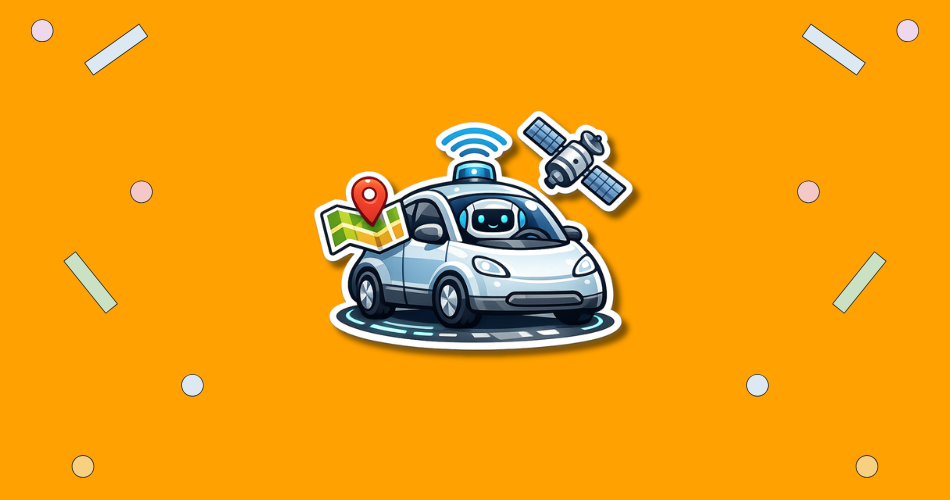
Autonomous Vehicle Day is observed every year on May 31. In 2027, this date falls on a Monday. The day focuses on automated and self-driving vehicle technology, including the systems that allow cars, shuttles, delivery vehicles, and other machines to sense their surroundings and move with reduced human control. It is a technology-focused observance with a practical message: autonomous transportation is not only a futuristic idea, but a field shaped by engineering, safety testing, public policy, and public trust. The day is a good time to learn how automated driving systems work, how they are being tested, and what questions remain before wider adoption. 1 2
Contents
See also: National Odometer Day, License Plates Day, International Drone Day
HT Meter
Does this day matter to you?
Say that it does, and say whether you will be marking it. Both are anonymous to nobody but kind to everybody.
This day matters to me
0 Be the first to say so
Quietly remembered
0 Nobody has said so yet
Notes of remembrance
Join those marking this day to share a word, a memory, or the reason it matters to you.
These notes are kept for the people marking this day. Say you will be marking it to read them and to leave your own.
You have already shared a note here recently.
No notes yet. Yours would be the first.
History of Autonomous Vehicle Day
The modern observance is linked to National Autonomous Vehicle Day, which was founded in 2017 by Emerging Prairie and Marlo Anderson to recognize advances in the autonomous vehicle industry. The day was proclaimed for annual observance in 2017, and it is listed as an annual May 31 observance. Its early focus was on the promise of self-driving technology and the business, transportation, and safety questions that come with it. The date remains fixed rather than moving by weekday or calendar pattern.

National Automatic Door Day
The subject behind the day has continued to grow beyond private cars. Autonomous vehicle discussions now include public transit shuttles, freight movement, delivery systems, accessibility, remote monitoring, testing programs, and regulation. In recent years, transportation agencies, technology companies, and public-sector partners have used conferences and demonstrations to discuss how autonomous mobility can move from pilots to daily service. That broader setting gives the observance a more serious purpose than simple excitement about new gadgets.
Why is Autonomous Vehicle Day important?
Autonomous Vehicle Day matters because transportation affects daily life, public safety, economic activity, and access to work, school, health care, and community services. Automated vehicle systems bring together sensors, software, mapping, artificial intelligence, cybersecurity, and vehicle engineering, so the topic is much larger than a car driving itself. The day gives readers a reason to look past marketing language and ask practical questions about what the technology can do, where it can operate safely, and what limits still apply. It also points attention toward the people building, testing, regulating, and evaluating these systems.
The day is also important because automated vehicle technology raises public-interest questions that cannot be solved by invention alone. Safety standards, crash responsibility, insurance, accessibility, infrastructure, data privacy, and public confidence all shape how the technology is used. Current consumer vehicles still require driver attention, even when they include advanced assistance features, while higher levels of automation remain limited by location, design, and regulation. Understanding those distinctions helps people discuss the future of transportation with more accuracy and less hype.
- It helps people learn the difference between driver assistance and automation.
- It puts safety and public trust at the center of the discussion.
- It recognizes engineers, planners, researchers, and transit professionals.
- It invites practical questions about regulation and responsibility.
- It connects transportation innovation with accessibility and mobility needs.
How to Observe Autonomous Vehicle Day
Make it yours
How would you like to spend Autonomous Vehicle Day?
Tick what fits you, and we will put together ideas made for this day — not for any day.
International Drone Day
Read a clear explanation of automated driving levels, watch a demonstration from a credible transportation or safety organization, or learn how sensors, cameras, radar, lidar, and onboard computers help a vehicle interpret the road. A local university, transit agency, technology center, or public library may also offer talks or resources about transportation innovation. Anyone shopping for a car can use the day to review what current driver-assistance features actually do and what they do not do. Careful language matters, because many systems assist a human driver rather than replacing one.
The day can also be used for a thoughtful conversation about the future of streets and communities. Autonomous vehicles may affect public transit, freight delivery, curb space, parking, emergency response, and mobility for older adults and people with disabilities. A useful observance looks at both the benefits and the tradeoffs, including cost, safety oversight, cybersecurity, labor concerns, and equitable access. Families, classrooms, and workplaces can use the topic to connect science and technology with real decisions people make about movement and public space.
- Look up the automation level of a vehicle feature before using it.
- Follow a public transit agency testing autonomous shuttles.
- Read about vehicle cybersecurity and data privacy.
- Discuss how driverless service could help people who cannot drive.
- Compare a real pilot program with a fictional movie version.
Autonomous Vehicle Day Dates
| Year | Date | Day of the week |
|---|---|---|
| 2026 | May 31 | Sunday |
| 2027 next | May 31 | Monday |
| 2028 | May 31 | Wednesday |
| 2029 | May 31 | Thursday |
| 2030 | May 31 | Friday |
Thank you for your feedback!

Artificial Intelligence Appreciation Day
Fuel the next post!