

Esperanto Day

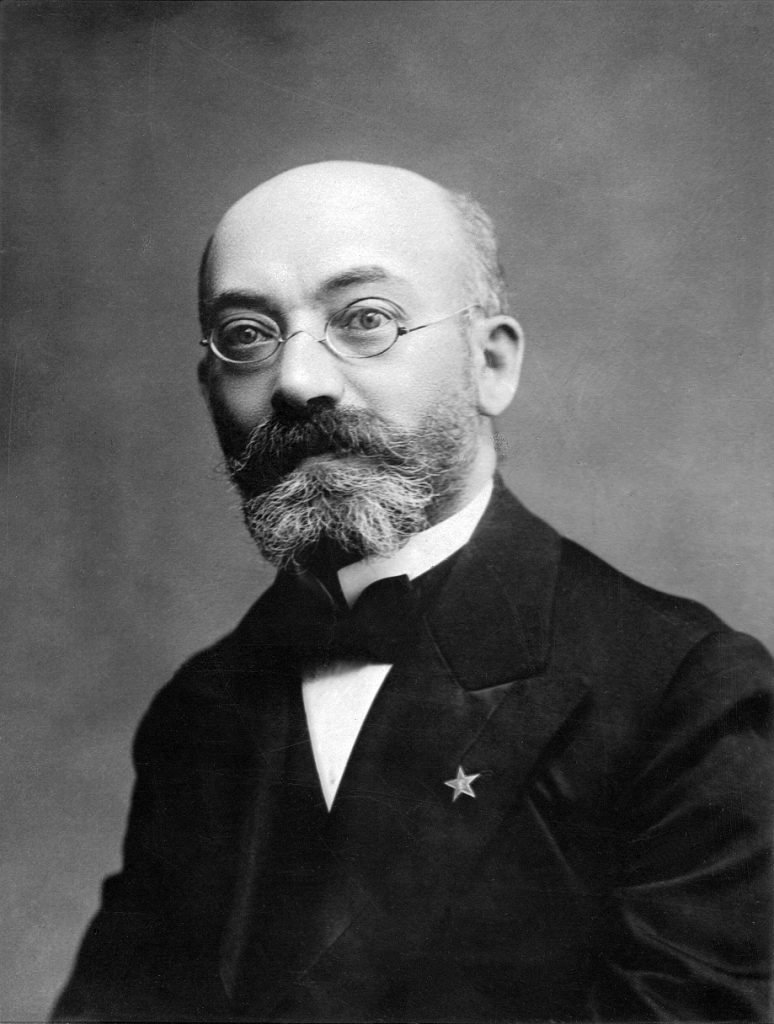
Esperanto Day on July 26, observed annually, celebrates the publication of Unua Libro—the first book introducing Esperanto—by L. L. Zamenhof in 1887.
Contents
HT Meter
Does this day matter to you?
Say that it does, and say whether you will be marking it. Both are anonymous to nobody but kind to everybody.
This day matters to me
0 Be the first to say so
Quietly remembered
0 Nobody has said so yet
Notes of remembrance
Join those marking this day to share a word, a memory, or the reason it matters to you.
These notes are kept for the people marking this day. Say you will be marking it to read them and to leave your own.
You have already shared a note here recently.
No notes yet. Yours would be the first.
History of Esperanto Day
Esperanto Day marks the anniversary of Zamenhof’s groundbreaking publication, Dr. Esperanto’s International Language (Unua Libro), which officially introduced Esperanto as an international auxiliary language on July 26, 1887. The day has since become a global celebration, often coinciding with the World Esperanto Congress held in late July.
While December 15 (Zamenhof Day) celebrates Zamenhof’s birthday and Esperanto literature, July 26 remains a focal point for language learners, cultural events, and grassroots meetups. Over the years, the day has inspired symposiums and academic discussions, like the University of Liverpool’s symposium on Esperanto research planned for 2025.
Why is Esperanto Day important?
It’s joyful to see a language created to unite people still thriving over a century later. Esperanto embodies a hope for peace and mutual understanding beyond borders—something rare and powerful in today’s world. Celebrating it reminds us that language can be a tool for equality and connection, not division.
European Day of Languages
Plus, the Esperanto community has built a unique culture centered around education, music, travel, and shared ideals. Esperanto Day gives participants a chance to meet, speak in the language, and feel part of something inclusive—no passports or politics required.
- it highlights language as a bridge between cultures
- it proves that a constructed language can be alive and well
- it shows how creativity can shape global communities
- it connects learners in online and in-person gatherings
- it keeps Zamenhof’s vision of unity and peace alive
How to Observe Esperanto Day
Make it yours
How would you like to spend Esperanto Day?
Tick what fits you, and we will put together ideas made for this day — not for any day.
Take a simple step: learn a few Esperanto phrases—“Saluton!”, “Danke”, “Ĝis revido”—and use them in conversation. Watch a short Esperanto video, listen to a song, or read a children’s story online. Even five minutes feels meaningful.
Better yet, join a local or online meetup. Many cities hold informal Esperanto cafés or cultural events on July 26. If you can’t attend, drop a message or post in social media groups using #EsperantoDay—it’s a small way to show solidarity and curiosity.
- learn and share a simple Esperanto greeting
- join a meetup or online chat in Esperanto
- post a greeting online to connect with the community
- listen to an Esperanto song or podcast
- read a short story or news snippet in the language
Esperanto Day Dates Table
| Year | Date | Day |
|---|---|---|
| 2026 | July 26 | Sunday |
| 2027 | July 26 | Monday |
| 2028 | July 26 | Wednesday |
| 2029 | July 26 | Thursday |
| 2030 | July 26 | Friday |

Sorry to hear you didn't enjoy this article...

International English Language Day
Help us make it better!