


Fiesta Patronales Holiday
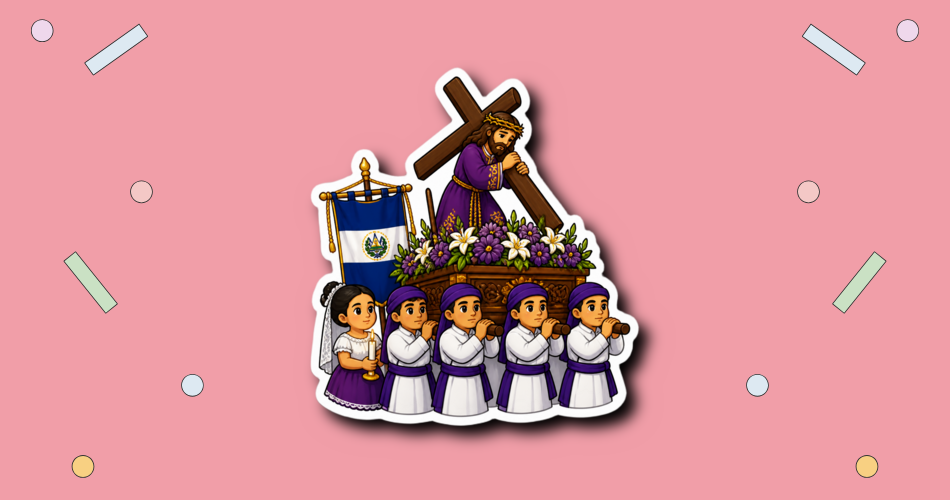
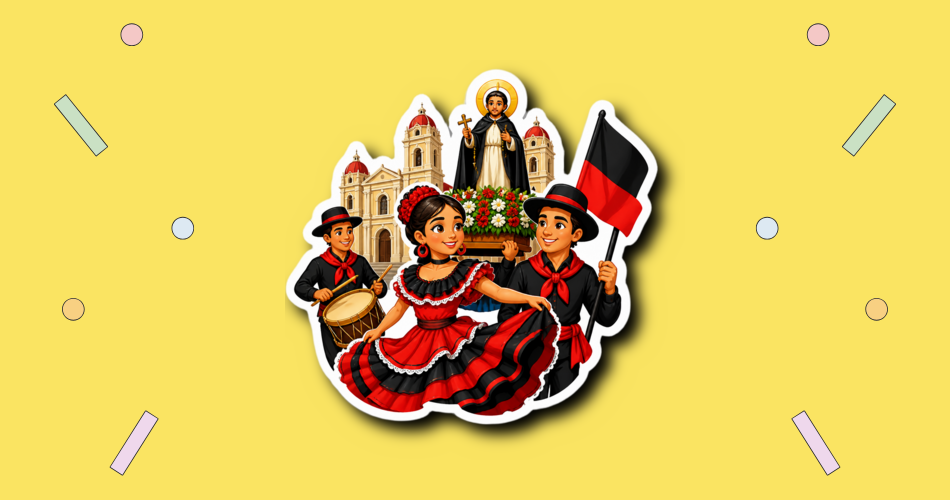
Fiesta Patronales Holiday is celebrated annually on August 6. In 2027, this date falls on a Friday. This national holiday in El Salvador honors the Divine Savior of the World, the country's patron saint, and marks the culmination of the Fiestas Agostinas festival period. The day brings together religious devotion, community gatherings, and festive traditions that have been observed for generations.
Contents
HT Meter
Does this day matter to you?
Tap the meter if it does, and say whether you will be celebrating — that is what opens the wishes from everybody else who will be.
This day matters to me
0 Be the first to say so
Just getting started
0 Let others know you’re in.
Wishes, greetings and stories
Join the celebration to share a wish, a greeting, or how this day goes in your house.
These are kept for the people celebrating this day. Say you will be celebrating to read them and to add your own.
You have already shared something here recently.
Nothing here yet. Yours would be the first.
History of Fiesta Patronales Holiday
The origins of Fiesta Patronales Holiday are deeply tied to El Salvador's Catholic heritage and the veneration of the Divine Savior of the World, known as El Salvador del Mundo. The holiday emerged from the Fiestas Agostinas, a series of August celebrations that date back to the colonial era when Spanish missionaries introduced patron saint festivals to indigenous communities. Over time, August 6 became the focal point of these festivities, recognized as a national public holiday that unites the country in both solemn religious observance and joyful celebration.
In modern times, the holiday has evolved to include both sacred and secular elements. While the religious core remains central, with processions and church services dedicated to the Divine Savior, the day also features cultural events, fairs, and family gatherings. The holiday's official status as a national public holiday underscores its importance in Salvadoran identity, and it is observed across the country, with particularly elaborate celebrations in the capital city of San Salvador.
Why is Fiesta Patronales Holiday important?
Fiesta Patronales Holiday holds profound significance for El Salvador as a day of national unity and spiritual reflection. It provides an opportunity for Salvadorans to honor their patron saint and reaffirm their cultural and religious traditions. The holiday also serves as a time for families and communities to come together, strengthening social bonds through shared rituals and festivities.
- It is a national public holiday in El Salvador, giving citizens a day off to participate in celebrations.
- The holiday honors the Divine Savior of the World, the country's patron saint, reinforcing religious identity.
- It marks the climax of the Fiestas Agostinas, a week-long festival that includes local holidays in San Salvador.
- The day promotes community cohesion through processions, fairs, and family gatherings.
- It preserves centuries-old traditions that blend Catholic and Salvadoran cultural heritage.
How to Celebrate Fiesta Patronales Holiday
Make it yours
How would you like to spend Fiesta Patronales Holiday?
Tick what fits you, and we will put together ideas made for this day — not for any day.
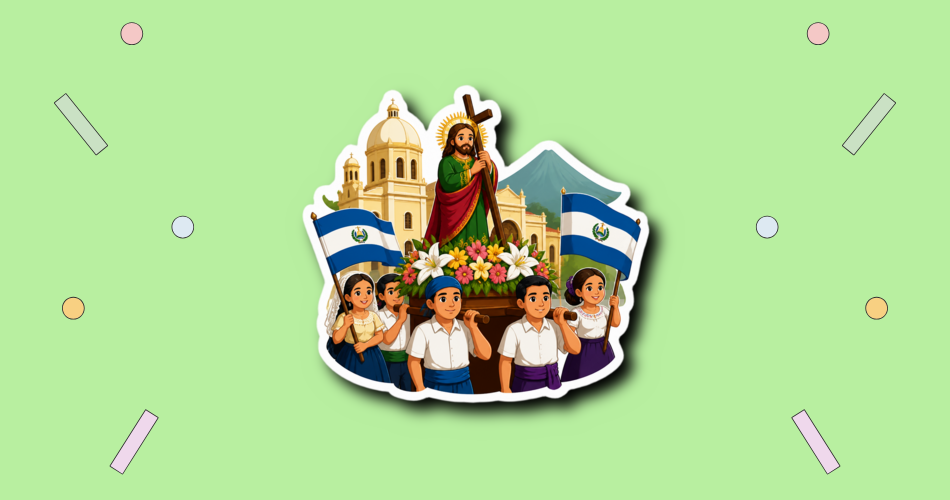
Celebrations of San Salvador
Celebrating Fiesta Patronales Holiday offers a chance to experience Salvadoran culture at its most vibrant. Many people attend religious processions and church services dedicated to the Divine Savior of the World, participating in solemn rituals that reflect the holiday's spiritual roots. Others enjoy the festive atmosphere by visiting local fairs, which feature amusement rides, traditional music, and street food. Sharing meals with family and friends is a common way to mark the day, with dishes like pupusas, tamales, and other Salvadoran specialties taking center stage.
For those looking to engage more deeply, consider learning about the history of the Fiestas Agostinas or supporting local artisans who sell crafts during the celebrations. If you are in El Salvador, joining the public festivities in San Salvador or your local community can be a memorable experience. Even from abroad, you can honor the holiday by cooking traditional Salvadoran food, listening to Salvadoran music, or reading about the country's rich cultural heritage. The key is to embrace the spirit of gratitude and togetherness that defines this special day.
Fiesta Patronales Holiday Dates
| Year | Date | Day of the week |
|---|---|---|
| 2026 | August 6 | Thursday |
| 2027 next | August 6 | Friday |
| 2028 | August 6 | Sunday |
| 2029 | August 6 | Monday |
| 2030 | August 6 | Tuesday |
Sorry to hear you didn't enjoy this article...
Help us make it better!