



Celebrations of San Salvador
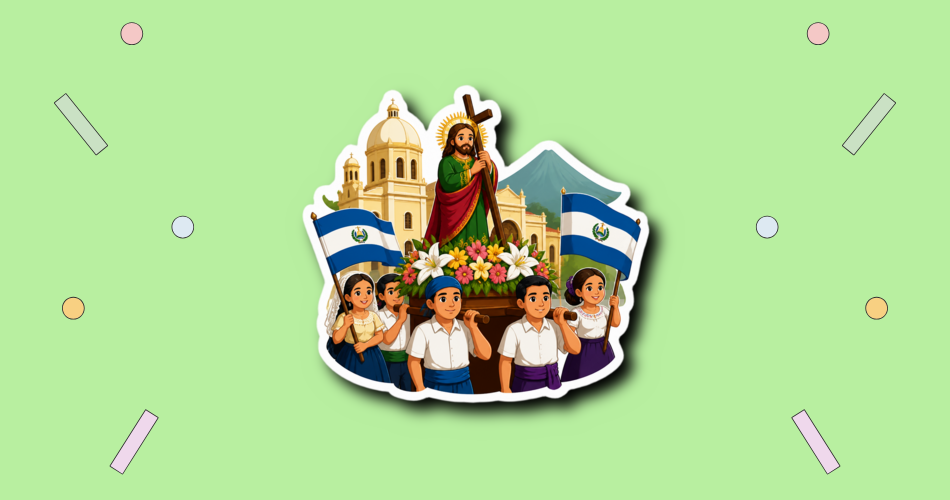
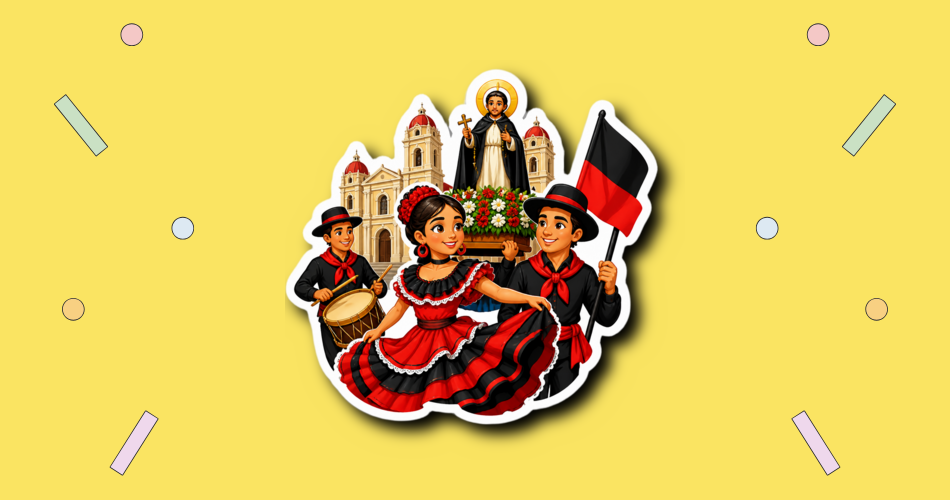
The vibrant Celebrations of San Salvador takes place every August 6, honoring El Salvador's patron saint, the Divine Savior of the World. In 2027, this date falls on a Friday. This national holiday blends deep religious devotion with colorful secular festivities, drawing communities together across the country.
Contents
HT Meter
Does this day matter to you?
Tap the meter if it does, and say whether you will be celebrating — that is what opens the wishes from everybody else who will be.
This day matters to me
0 Be the first to say so
Just getting started
0 Let others know you’re in.
Wishes, greetings and stories
Join the celebration to share a wish, a greeting, or how this day goes in your house.
These are kept for the people celebrating this day. Say you will be celebrating to read them and to add your own.
You have already shared something here recently.
Nothing here yet. Yours would be the first.
History of Celebrations of San Salvador
The origins of the Celebrations of San Salvador trace back to the Spanish conquest. In 1524, Conquistador Pedro de Alvarado named the newly claimed land “Provincia De Nuestro Señor Jesus Cristo, El Salvador Del Mundo” (Province of our Lord Jesus Christ, the Saviour of the World), later shortened to El Salvador. The capital was called San Salvador (Holy Saviour). Along with the Spanish came the tradition of Fiesta Patronales, where cities celebrate the feast day of their patron saint.
Since Jesus’ death is observed on Easter and His birth on Christmas, a different date was needed for His festival. In 1456, Pope Callixtus III set August 6 as the Feast of the Transfiguration, commemorating the lifting of the Siege of Belgrade. This date became the focal point for the celebrations. A major highlight is “la bajada” (the descent), where a wooden statue of Jesus dressed in purple is carried from the Basilica of the Sacred Heart of Jesus to the Metropolitan Cathedral of the Divine Savior of the World. The festivities have been held since the 16th century.
Why is Celebrations of San Salvador important?
This holiday reinforces national identity and spiritual heritage. El Salvador is named after the Savior, and the August 6 celebration connects Salvadorans to their roots through shared religious and cultural experiences. The event brings together people from all walks of life, from wealthy neighborhoods to poorer communities, fostering unity and pride.
- It honors the Divine Savior of the World, the patron saint of El Salvador.
- The celebration underscores the country's Catholic heritage and the role of faith in daily life.
- It promotes tourism, drawing visitors to experience Salvadoran traditions, music, and cuisine.
- The holiday serves as a reminder to live a holy life, blending fun with spiritual reflection.
- It provides an opportunity for families and communities to gather, strengthening social bonds.
How to Celebrate Celebrations of San Salvador
Make it yours
How would you like to spend Celebrations of San Salvador?
Tick what fits you, and we will put together ideas made for this day — not for any day.
Fiesta Patronales Holiday
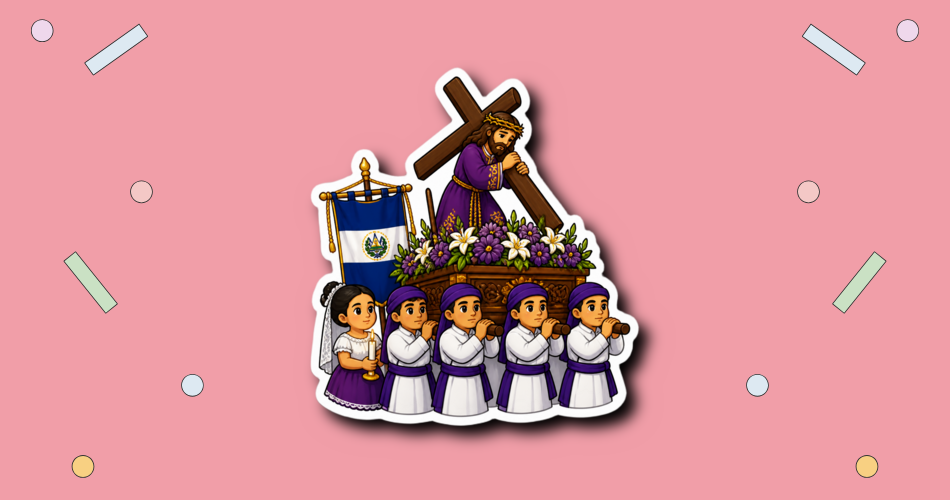
Join the festivities by visiting San Salvador during the first week of August. The streets come alive with colorful parades, traditional music, and open-air parties. Sample local dishes such as pupusas, tamales, and horchata, which are especially popular during the holiday. Many businesses decorate with national colors and religious symbols, creating a festive atmosphere.
- Attend the grand procession of the Divine Savior of the World, a moving religious ceremony.
- Say a prayer to the Divine Savior of the World for peace and prosperity in San Salvador.
- Spread awareness about the holiday by sharing photos and stories on social media using hashtags like #CelebrationsOfSanSalvador.
- Support local artisans by purchasing crafts and souvenirs from market stalls.
- Enjoy traditional Salvadoran music and dance performances organized by cultural institutions.
Celebrations of San Salvador Dates
| Year | Date | Day of the week |
|---|---|---|
| 2026 | August 6 | Thursday |
| 2027 next | August 6 | Friday |
| 2028 | August 6 | Sunday |
| 2029 | August 6 | Monday |
| 2030 | August 6 | Tuesday |
El Salvador Independence Day
Sorry to hear you didn't enjoy this article...
Help us make it better!