


Our Lady of Africa
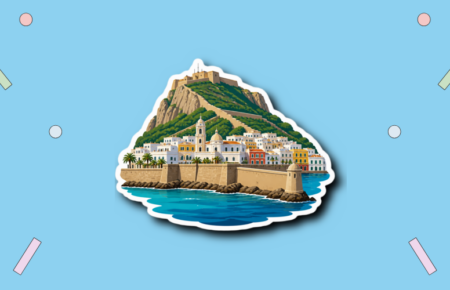
Our Lady of Africa is celebrated annually on August 5. In 2027, this date falls on a Thursday. This day holds special significance for the people of Ceuta, a Spanish autonomous city on the North African coast, where it is a public holiday marked by religious processions and floral offerings.
Contents
HT Meter
Does this day matter to you?
Tap the meter if it does, and say whether you will be celebrating — that is what opens the wishes from everybody else who will be.
This day matters to me
0 Be the first to say so
Just getting started
0 Let others know you’re in.
Wishes, greetings and stories
Join the celebration to share a wish, a greeting, or how this day goes in your house.
These are kept for the people celebrating this day. Say you will be celebrating to read them and to add your own.
You have already shared something here recently.
Nothing here yet. Yours would be the first.
History of Our Lady of Africa
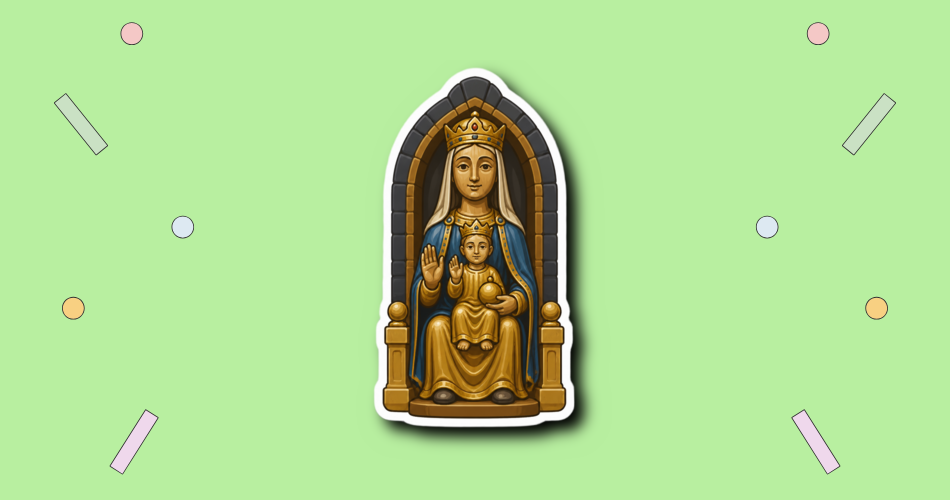
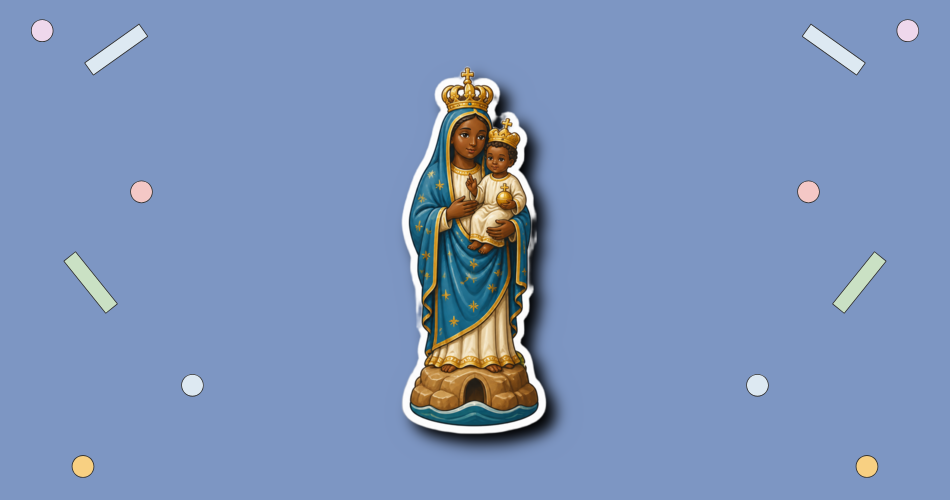
The title Our Lady of Africa (Spanish: Nuestra Señora de África) originated in Algeria, where Bishop Louis-Antoine-Augustin Pavy of Algiers established a basilica under that name in 1856. The devotion centers on a statue of the Virgin Mary depicted as a Black woman, located in the major shrine of Notre-Dame d'Afrique in Algiers. The statue was originally modeled on a French sculpture called Virgo Fidelis and was installed in a small chapel in 1857 before being moved to the completed basilica. The church was designed by Jean-Eugène Fromageau and finished by Bishop Charles Lavigerie, who dedicated the entire African continent to the patronage of Our Lady of Africa.
In Spain, the devotion took root in Ceuta, where Our Lady of Africa is officially recognized in Spanish law as a public holiday. The celebration includes laying flowers in front of the image of Our Lady of Africa and a procession with Costaleros, who carry the statue through the streets. The feast day is a time of deep devotion for the local Christian community, blending Spanish and North African cultural elements.
Why is Our Lady of Africa important?
Our Lady of Africa is a significant Catholic title that represents the Virgin Mary as a Black woman, symbolizing her role as mother to all people, especially those in Africa. The devotion has spread across the African continent and the African diaspora, with churches and shrines established worldwide.
- The feast of Our Lady of Africa is celebrated on April 30 in the universal Church, but in Ceuta, Spain, the public holiday is observed on August 5.
- The statue in Algiers received a canonical coronation from Pope Pius IX in 1876, and the church was elevated to a minor basilica.
- The devotion is closely linked to the Missionary Sisters of Our Lady of Africa and the White Fathers, who work in education and religious instruction across Africa.
- Our Lady of Africa is considered the patroness of Africa, Algeria, and Ceuta, and her intercession is sought for the continent and its people.
- The basilica in Algiers has served as a site of prayer for both Christians and Muslims, reflecting a spirit of interfaith respect.
How to Celebrate Our Lady of Africa
Make it yours
How would you like to spend Our Lady of Africa?
Tick what fits you, and we will put together ideas made for this day — not for any day.
Virgin of Los Angeles Day
In Ceuta, the celebration of Our Lady of Africa is a vibrant community event. The day begins with a Mass in honor of the Virgin, followed by a procession where the statue of Our Lady of Africa is carried through the streets by Costaleros. Participants often dress in traditional attire and carry flowers to lay before the image.
- Attend the religious procession and witness the Costaleros carrying the statue through the historic streets of Ceuta.
- Lay flowers at the shrine of Our Lady of Africa as a sign of devotion and gratitude.
- Join the local community for festive meals featuring traditional Spanish and North African dishes.
- Learn about the history of the devotion by visiting the local church or reading about the basilica in Algiers.
- Share the story of Our Lady of Africa with friends and family to spread awareness of this unique Marian title.
Our Lady of Africa Dates
| Year | Date | Day of the week |
|---|---|---|
| 2026 | August 5 | Wednesday |
| 2027 next | August 5 | Thursday |
| 2028 | August 5 | Saturday |
| 2029 | August 5 | Sunday |
| 2030 | August 5 | Monday |
Our Lady of Mount Carmel
Sorry to hear you didn't enjoy this article...
Help us make it better!