


Get Organized Day
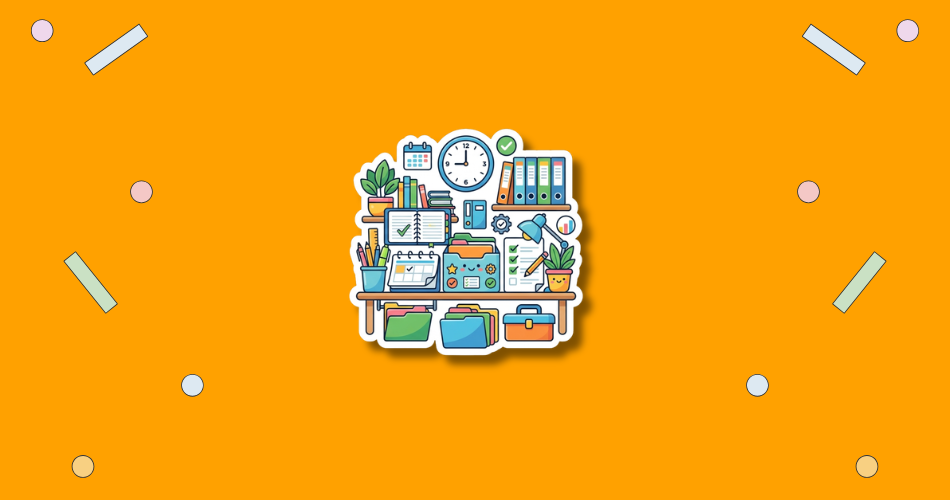
Get Organized Day is observed on April 26. This day is dedicated to the practice of decluttering and streamlining both physical spaces and mental schedules to improve efficiency and reduce stress. It serves as a focused opportunity for individuals to address the accumulation of items and tasks that often lead to feelings of being overwhelmed in daily life. In 2027, this date falls on a Monday.
Contents
See also: Organize Your Home Day, National Organize Your Home Office Day
HT Meter
Does this day matter to you?
Say that it does, and say whether you will be marking it. Both are anonymous to nobody but kind to everybody.
This day matters to me
0 Be the first to say so
Quietly remembered
0 Nobody has said so yet
Notes of remembrance
Join those marking this day to share a word, a memory, or the reason it matters to you.
These notes are kept for the people marking this day. Say you will be marking it to read them and to leave your own.
You have already shared a note here recently.
No notes yet. Yours would be the first.
History of Get Organized Day
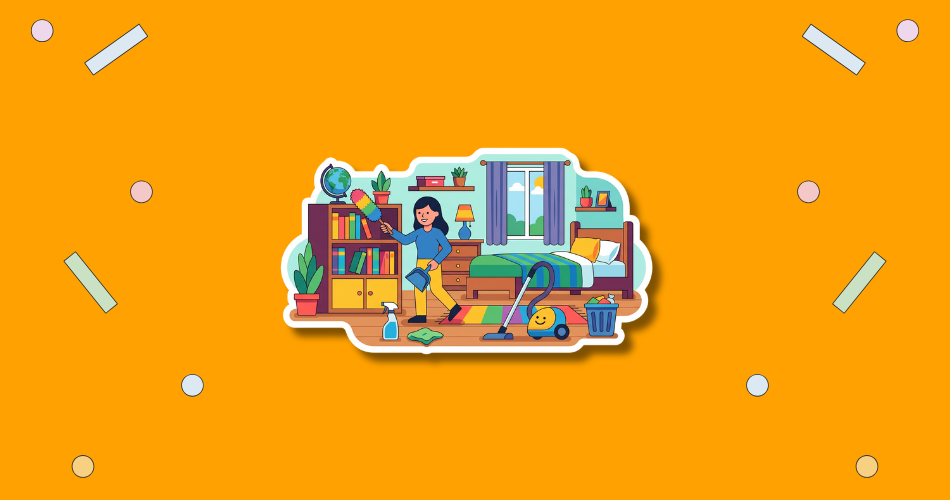
The exact origins of Get Organized Day remain undocumented, as no single person or organization has been officially credited with its creation. Despite this lack of a formal founding story, the day has gained significant popularity through professional organizers and productivity experts who recognize the end of April as an ideal time for a “spring reset.” It is widely embraced as a practical follow-up to traditional spring cleaning, moving beyond deep scrubbing to focus on systematic order.

Organize Your Home Day
Over time, the day has evolved from a simple reminder to tidy up a desk into a broader movement supported by various community organizations. Groups like Goodwill often promote the day to encourage the donation of usable goods, while corporate entities use the date to implement better resource management strategies. The holiday’s growth is largely attributed to the digital age, where social media challenges and productivity apps have helped transform the abstract concept of “getting organized” into a tangible, annual event.
Why is Get Organized Day important?
Maintaining an organized environment has been scientifically linked to lower levels of cortisol, the body’s primary stress hormone. When a living or working space is cluttered, the brain is constantly bombarded by visual stimuli, which can lead to sensory overload and decreased focus. By prioritizing organization, individuals can improve their ability to concentrate, leading to higher productivity and a greater sense of control over their personal and professional commitments.
Beyond mental clarity, the day is important for practical resource management. Disorganization often results in lost time spent searching for misplaced items and financial waste from purchasing duplicates of things already owned. Establishing systems for filing, storage, and scheduling allows for smoother daily transitions and ensures that essential tasks are not forgotten. The holiday encourages the development of sustainable habits that contribute to long-term health and better sleep quality.
- Organized environments reduce the time wasted searching for lost keys or documents.
- A tidy workspace is associated with healthier food choices and better physical habits.
- Decluttering provides an opportunity to donate unwanted items to those in need.
- Digital organization protects important data through systematic backups and file naming.
- Effective scheduling helps prevent missed deadlines and reduces interpersonal conflicts.
How to Observe Get Organized Day
Make it yours
How would you like to spend Get Organized Day?
Tick what fits you, and we will put together ideas made for this day — not for any day.
National Organize Your Home Office Day
Observing this day effectively requires a systematic approach rather than an attempt to fix everything at once. A common strategy is to select one specific “hot spot,” such as a junk drawer, a closet, or a digital inbox, and focus entirely on sorting its contents. This involves categorizing items into groups to keep, donate, or discard. Setting a timer for 15 or 30 minutes can make the task feel more manageable and prevent the fatigue that often comes with large-scale cleaning projects.
Another way to celebrate is by auditing digital habits and daily schedules. This can include unsubscribing from unwanted emails, organizing computer desktop icons, or setting up a new calendar system for the remainder of the year. The goal is to create a “home” for every item and a designated time for every recurring task. By documenting these new systems, participants can turn the one-day observance into a permanent lifestyle change that maintains order throughout the year.
- Empty a single drawer or cabinet and only put back what is truly necessary.
- Delete duplicate files and blurry photos from your phone or computer.
- Write down a consistent daily routine to help automate morning and evening tasks.
- Sort through your mail and set up a dedicated station for bills and invitations.
- Donate one box of clothes or household goods to a local community center.
Get Organized Day Dates Table
| Year | Date | Day of the week |
|---|---|---|
| 2026 | April 26 | Sunday |
| 2027 next | April 26 | Monday |
| 2028 | April 26 | Wednesday |
| 2029 | April 26 | Thursday |
| 2030 | April 26 | Friday |