
Audubon Day
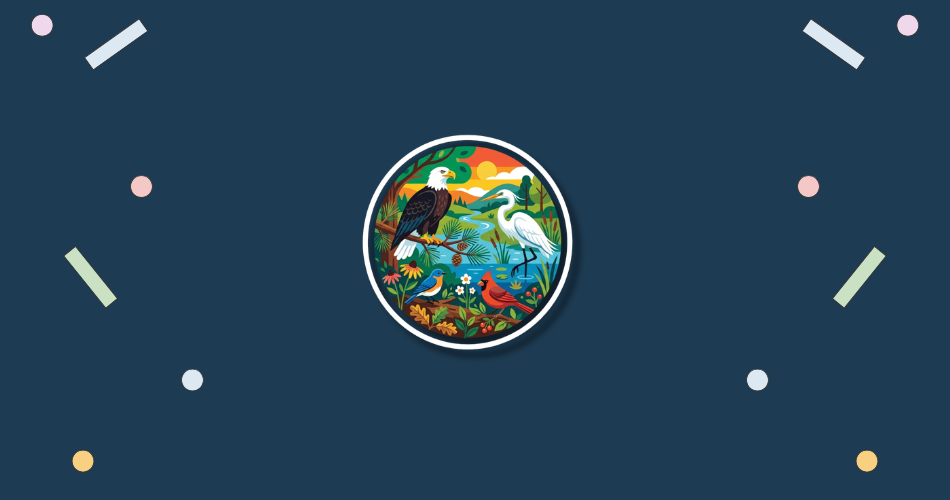
Audubon Day is celebrated on April 26. This day commemorates the birth of John James Audubon, a French-American ornithologist, naturalist, and painter whose work transformed the study of North American bird species. He is best known for his influential book, The Birds of America, which features life-sized illustrations of birds in their natural habitats. In 2027, this date falls on a Monday.
Contents
See also: International Flamingo Day, National Bird Day, Draw a Bird Day, World Migratory Bird Day, National Go Birding Day, Feed the Birds Day
HT Meter
Does this day matter to you?
Say that it does, and say whether you will be marking it. Both are anonymous to nobody but kind to everybody.
This day matters to me
0 Be the first to say so
Quietly remembered
0 Nobody has said so yet
Notes of remembrance
Join those marking this day to share a word, a memory, or the reason it matters to you.
These notes are kept for the people marking this day. Say you will be marking it to read them and to leave your own.
You have already shared a note here recently.
No notes yet. Yours would be the first.
History of Audubon Day

John James Audubon was born on April 26, 1785, in Saint-Domingue, which is now Haiti. He moved to the United States in 1803 to manage his father’s estate in Pennsylvania. During his time there, he became fascinated by local wildlife and began documenting various species through detailed paintings. He was the first person in North America to perform bird banding, a method used to track migration patterns by tying small threads to the legs of eastern phoebes.
In 1820, Audubon set out on an ambitious journey down the Mississippi River to find and paint every bird in America. His primary work, The Birds of America, was published in sections between 1827 and 1838. It contained 435 hand-colored, life-sized prints of 497 bird species. Although Audubon died in 1851, his legacy led to the formation of the National Audubon Society in 1905, an organization dedicated to the conservation of birds and their ecosystems.
Why is Audubon Day important?
This day highlights the intersection of art and science in the pursuit of environmental conservation. Audubon’s detailed illustrations provided the public with their first look at many bird species, helping people understand the diversity of wildlife in North America. By showcasing birds in their natural environments, his work emphasized the connection between animals and the habitats they need to survive.
Bird Day
Modern celebrations focus on the ongoing need to protect bird populations from habitat loss and climate change. Birds serve as indicator species, meaning their health reflects the overall condition of the environment. Honoring Audubon’s contributions encourages people to participate in citizen science and support policies that preserve natural landscapes for future generations.
- Birds act as natural pest controllers and pollinators within ecosystems.
- The holiday promotes the study of ornithology and wildlife biology.
- Audubon’s art remains a standard for scientific accuracy and aesthetic beauty.
- Birdwatching is a significant industry that supports local conservation economies.
- Habitat protection for birds also ensures clean water and healthy forests for humans.
How to Observe Audubon Day
Make it yours
How would you like to spend Audubon Day?
Tick what fits you, and we will put together ideas made for this day — not for any day.
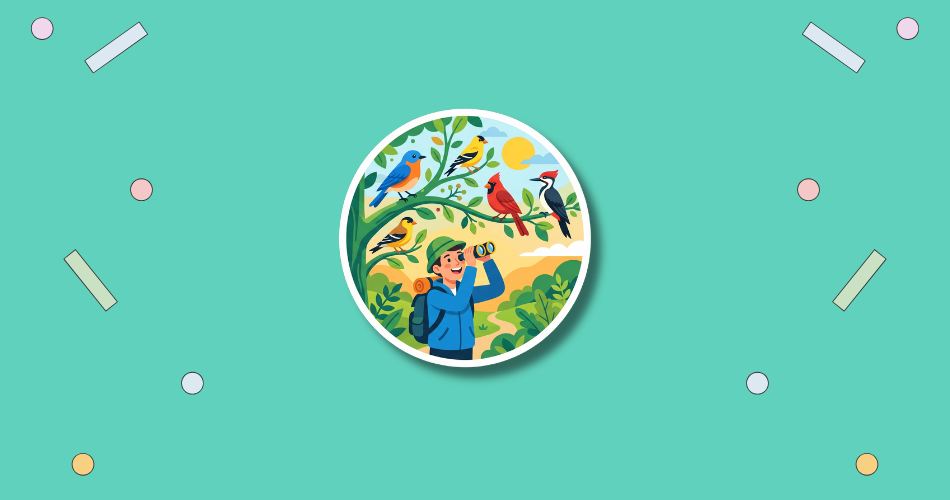
One of the most practical ways to observe this day is to spend time outdoors with a pair of binoculars. Birdwatching allows people to identify local species and appreciate the complexity of avian behavior. Many local parks or nature centers host guided walks or educational talks on April 26 to help beginners learn identification techniques.
Another way to celebrate is by improving the local environment for feathered visitors. This can involve planting native flowers that provide seeds or nectar, or installing bird feeders and baths. Sharing sketches or photographs of birds on social media can also help raise awareness about the beauty of local wildlife and the importance of protecting their nesting grounds.
- Visit a local nature preserve or sanctuary to observe birds in the wild.
- Put up a bird feeder or a nesting box in your backyard.
- Browse digital galleries of The Birds of America at the New York Public Library.
- Support a bird conservation organization through a donation or membership.
- Clean your windows or add decals to help prevent bird collisions.
Audubon Day Dates Table
| Year | Date | Day of the week |
|---|---|---|
| 2026 | April 26 | Sunday |
| 2027 next | April 26 | Monday |
| 2028 | April 26 | Wednesday |
| 2029 | April 26 | Thursday |
| 2030 | April 26 | Friday |
Sorry to hear you didn't enjoy this article...
National Bird Day
Help us make it better!