
National Go Birding Day
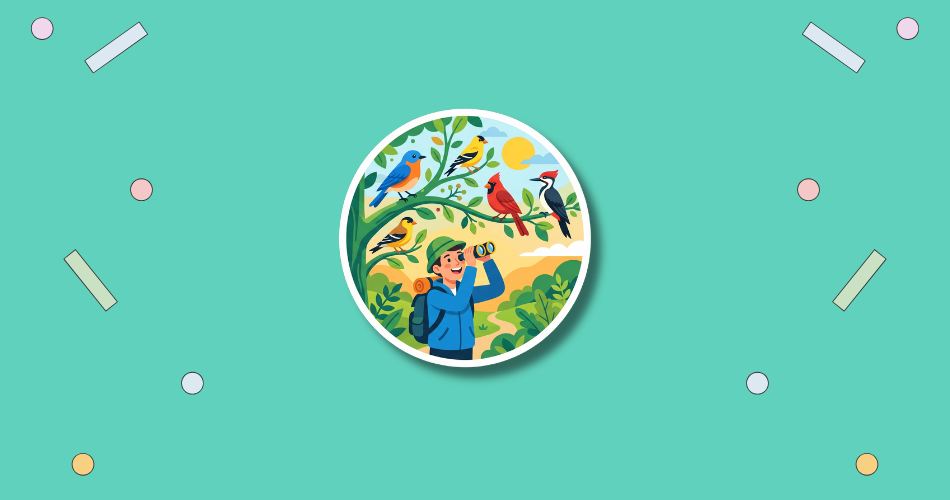
National Go Birding Day is observed on the last Saturday of April. In 2026, it falls on April 25. This day encourages people to step outside and appreciate the diversity of avian species in their local environments. It serves as an entry point for those unfamiliar with the hobby of birdwatching, highlighting how engaging with nature can improve mental clarity and foster a deeper respect for wildlife conservation.
Contents
HT Meter
Does this day matter to you?
Tap the meter if it does, and say whether you will be celebrating — that is what opens the wishes from everybody else who will be.
This day matters to me
0 Be the first to say so
Just getting started
0 Let others know you’re in.
Wishes, greetings and stories
Join the celebration to share a wish, a greeting, or how this day goes in your house.
These are kept for the people celebrating this day. Say you will be celebrating to read them and to add your own.
You have already shared something here recently.
Nothing here yet. Yours would be the first.
See also: World Migratory Bird Day, National Bird Day, Great Backyard Bird Count
History of National Go Birding Day
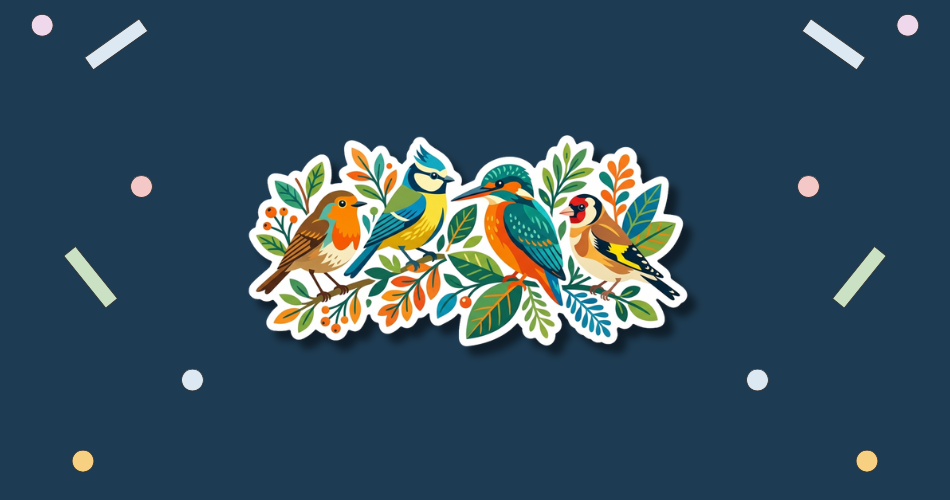
The origins of this observance are linked to the 19th-century tradition of “Bird Day,” which was first celebrated in 1894 in Oil City, Pennsylvania. Charles Almanzo Babcock, a school superintendent, established the day to educate children about the importance of birds and to promote their protection. Over time, the focus shifted from strict classroom instruction to the active, recreational hobby of “birding,” which emphasizes the thrill of searching for and identifying specific species in the wild.
Bird Day
While the exact year the specific “National Go Birding Day” title was popularized remains undocumented, it was created by enthusiasts who wanted to provide a structured time for the public to join the global community of birders. By placing the holiday on a Saturday in late April, organizers take advantage of the spring migration period in North America. This is the time when many colorful species return to their nesting grounds, making it the most visually rewarding season for both novice and experienced observers.
Why is National Go Birding Day important?
Birding acts as a form of “citizen science” that provides researchers with vital data on environmental health. Because birds are highly sensitive to changes in their habitat, their presence or absence can indicate shifts in climate, water quality, and local biodiversity. This day emphasizes that anyone with a pair of binoculars can contribute to global tracking databases, helping scientists identify which species are thriving and which are currently under threat of extinction.
The day is also significant for its impact on physical and mental well-being. Unlike many modern hobbies, birding requires a high level of patience, silence, and focused observation, which has been shown to reduce cortisol levels and alleviate symptoms of anxiety. It encourages people to explore local parks, nature preserves, and forests, strengthening the bond between urban populations and the natural world. For many, identifying a new bird for the first time provides a sense of achievement and a renewed curiosity about the complexities of the ecosystem.
- Birdwatching is a accessible, low-cost hobby that people of all ages can enjoy.
- Identifying birds by their songs helps improve auditory focus and memory.
- Healthy bird populations are essential for natural pest control and seed dispersal.
- The hobby provides a social platform for families and friends to bond outdoors.
- Awareness raised on this day helps protect critical wetlands and nesting habitats.
How to Celebrate National Go Birding Day
Make it yours
How would you like to spend National Go Birding Day?
Tick what fits you, and we will put together ideas made for this day — not for any day.
National Bird Day
The primary way to celebrate is by heading to a local park or nature trail with a field guide and a pair of binoculars. Early morning is the most productive time for observation, as many birds are most active and vocal during the “dawn chorus.” Beginners should focus on looking for movement in the treetops or near water sources, using their guide to match physical markings, beak shapes, and color patterns to specific species. Many birders also use smartphone applications to record the sounds they hear, allowing for identification through audio fingerprints.
Another way to participate is by making your own backyard more bird-friendly. This can be done by cleaning and refilling bird feeders with high-quality seeds or installing a birdbath to provide a clean water source for preening and drinking. Documenting sightings and sharing them on social media with dedicated hashtags helps build a larger community of nature lovers. For those looking for a more structured experience, many local Audubon chapters or nature centers host guided bird walks on this day, providing expert instruction on how to spot elusive species.
- Visit a local nature preserve to see a wider variety of migratory birds.
- Use a field guide or app to identify at least three new species in your area.
- Hang a bird feeder filled with sunflower seeds to attract local songbirds.
- Take a notebook to sketch or describe the birds you observe throughout the day.
- Join a guided group walk to learn professional tips for spotting camouflaged birds.
National Go Birding Day Dates Table
| Year | Date | Day of the week |
|---|---|---|
| 2026 | April 25 | Saturday |
| 2027 next | April 24 | Saturday |
| 2028 | April 29 | Saturday |
| 2029 | April 28 | Saturday |
| 2030 | April 27 | Saturday |