
National First Ladies Day
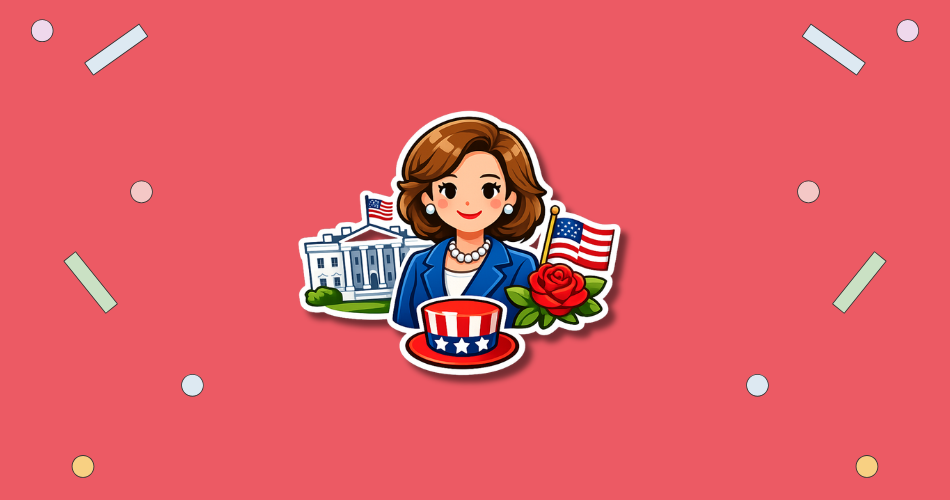
National First Ladies Day is observed on the last Saturday in April. In 2027, this date falls on April 24. The observance honors the women who have served as First Lady of the United States and recognizes the influence they have had on public life, civic service, culture, and the White House itself. It is connected with the beginning of the role in 1789, when Martha Washington became the nation’s first First Lady after George Washington’s inauguration. The day is a useful moment to learn about these women as public figures, advocates, hosts, advisers, and historical witnesses. 1
Contents
See also: Presidents’ Day, The White House Easter Egg Roll
HT Meter
Does this day matter to you?
Tap the meter if it does, and say whether you will be celebrating — that is what opens the wishes from everybody else who will be.
This day matters to me
0 Be the first to say so
Just getting started
0 Let others know you’re in.
Wishes, greetings and stories
Join the celebration to share a wish, a greeting, or how this day goes in your house.
These are kept for the people celebrating this day. Say you will be celebrating to read them and to add your own.
You have already shared something here recently.
Nothing here yet. Yours would be the first.
History of National First Ladies Day
National First Ladies Day was created in the early 2020s as an annual American observance focused on the First Ladies of the United States. The National First Ladies Day Commission was launched in 2021, and the observance was set for the last Saturday in April to connect it with George Washington’s first inauguration on April 30, 1789. That inauguration marked the start of the presidency and, with Martha Washington, the beginning of the First Lady’s role in national life. The day has also been described as a day of service, education, and public recognition.
National Women's Day
The role of First Lady has changed greatly since the early republic. Some First Ladies were remembered mainly for White House hospitality, while others became closely associated with reform, preservation, literacy, health, military families, children’s issues, or public diplomacy. The position is not elected and has no fixed constitutional duties, but it has often carried public expectations and real influence. National First Ladies Day focuses attention on that evolving role and on the women who shaped it in different eras.
Why is National First Ladies Day important?
National First Ladies Day gives readers, students, museums, libraries, and families a clear reason to study a part of American history that is often treated as secondary. First Ladies have been present during wars, political crises, social movements, state visits, and major cultural changes. Their correspondence, speeches, projects, and public appearances help show how the White House has functioned as both a political home and a national symbol. Looking at their lives can add detail and human context to the study of presidents and presidential history.
The day also matters because the role itself raises useful questions about public service, gender, visibility, and influence. First Ladies have often worked within informal power structures, using attention, relationships, and public trust to support causes or represent the country. Some became major public voices in their own right, while others shaped history through quieter work. Studying them helps broaden the story of American leadership beyond elected office.
- It highlights women who shaped White House history.
- It adds context to presidential eras and public life.
- It supports learning through museums, books, and archives.
- It recognizes civic service outside elected office.
- It helps preserve stories that are easy to overlook.
How to Celebrate National First Ladies Day
Make it yours
How would you like to spend National First Ladies Day?
Tick what fits you, and we will put together ideas made for this day — not for any day.
Presidents' Day
Read a biography, memoir, speech, or letter connected with a First Lady whose story is unfamiliar. A library display, classroom lesson, museum visit, or documentary can make the day especially useful for students and history readers. Families can choose one First Lady and learn about the causes, challenges, and public expectations connected with her time in the White House. The day also works well for book clubs, civic groups, and local history programs.
A more service-minded approach can connect the day with causes associated with First Ladies, such as literacy, preservation, veterans’ families, health, education, or children’s welfare. Teachers can use the observance to compare how the role changed from Martha Washington to modern First Ladies. Museums and community organizations can host discussions, reading lists, or exhibits that show the range of women who held the role. The strongest activities keep the focus on learning, context, and thoughtful recognition rather than treating the day as simple nostalgia.
- Read about one First Lady from a different century.
- Visit a presidential library or historic site online.
- Watch a documentary about White House history.
- Create a classroom timeline of First Ladies.
- Volunteer for a cause linked to civic service.
National First Ladies Day Dates
| Year | Date | Day of the week |
|---|---|---|
| 2026 | April 25 | Saturday |
| 2027 next | April 24 | Saturday |
| 2028 | April 29 | Saturday |
| 2029 | April 28 | Saturday |
| 2030 | April 27 | Saturday |