




National DNA Day
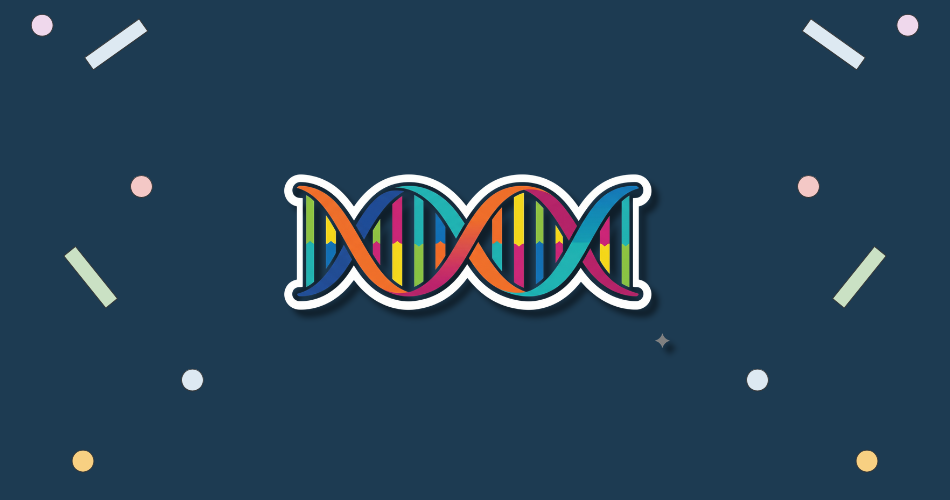
National DNA Day is observed on April 25. In 2027, this date falls on a Sunday. This day commemorates two major scientific milestones: the discovery of the DNA double helix in 1953 and the successful completion of the Human Genome Project in 2003. It serves as a global platform to educate the public about the latest advances in genomic research and how these discoveries impact medicine, genealogy, and our understanding of the natural world. By bringing together students, teachers, and professionals, the holiday highlights the progress made in mapping the genetic code that serves as the blueprint for all living organisms.
Contents
HT Meter
Does this day matter to you?
Tap the meter if it does, and say whether you will be celebrating — that is what opens the wishes from everybody else who will be.
This day matters to me
0 Be the first to say so
Just getting started
0 Let others know you’re in.
Wishes, greetings and stories
Join the celebration to share a wish, a greeting, or how this day goes in your house.
These are kept for the people celebrating this day. Say you will be celebrating to read them and to add your own.
You have already shared something here recently.
Nothing here yet. Yours would be the first.
See also: National Cat DNA Day, Celebrate Scientists Day, Genealogy Day
History of National DNA Day
National DNA Day was first recognized by the United States Congress in 2003 through concurrent resolutions in both the House and the Senate. The date was chosen specifically to mark the 50th anniversary of the publication of three landmark papers in the journal Nature by James Watson, Francis Crick, Maurice Wilkins, Rosalind Franklin, and their colleagues. These papers described the molecular structure of DNA as a double-stranded helix, a discovery that fundamentally changed the field of biology and earned Watson, Crick, and Wilkins the Nobel Prize in Physiology or Medicine in 1962.
National Cat DNA Day
Although originally intended as a one-time celebration for the year 2003, the National Human Genome Research Institute (NHGRI) took the initiative to turn it into an annual event. The 2003 celebration also coincided with the announcement that the Human Genome Project had reached its goals two years ahead of schedule. This international research effort, which began in 1990, succeeded in sequencing nearly all of the three billion base pairs of the human genome. Today, the day has expanded beyond the United States, with many international organizations observing it to promote genomic literacy worldwide. 1
Why is National DNA Day important?
This day is important because it highlights the transition of genomics from a specialized laboratory science to a tool that affects daily life. Advancements in DNA sequencing have led to the development of personalized medicine, where doctors can tailor treatments based on a patient’s unique genetic makeup. This is particularly significant in oncology, where genetic testing of tumors allows for more effective, targeted therapies that spare patients from unnecessary side effects of traditional treatments.
Furthermore, the day emphasizes the role of DNA in solving complex social and historical mysteries. Forensic DNA testing has become a cornerstone of the legal system, used both to identify perpetrators of crimes and to exonerate the wrongfully convicted. In the realm of genealogy, DNA testing has allowed millions of people to discover their ancestral origins and connect with distant relatives. By celebrating these achievements, National DNA Day encourages continued investment in science and inspires the next generation of researchers to explore the remaining mysteries of the genetic code.
- Genomic research helps identify the causes of rare genetic disorders.
- The Human Genome Project provided a reference map for all human genes.
- DNA technology allows for more accurate tracking of infectious diseases.
- Understanding genetics is key to improving agricultural yields and food security.
- The day promotes ethical discussions about the use of genetic information.
How to Celebrate National DNA Day
Make it yours
How would you like to spend National DNA Day?
Tick what fits you, and we will put together ideas made for this day — not for any day.

Genealogy Day
A common way to celebrate is by participating in educational events hosted by universities, science museums, and research centers. These institutions often offer “DNA extraction” workshops where participants can see real DNA strands from fruit or vegetables using simple household items. For students, many organizations provide online webinars and live chats with geneticists, offering a direct look into the daily work of scientists and the various career paths available within the field of biotechnology.
Another popular way to observe the day is through genetic genealogy. Many people choose this time to order a DNA test kit or review their existing results to learn more about their family history. For those not interested in testing, reading books or watching documentaries about the history of the double helix discovery can be equally rewarding. Sharing interesting facts about DNA on social media or attending a public lecture helps spread scientific awareness and fosters a broader appreciation for the biological threads that connect all of humanity.
- Extract DNA from a strawberry or onion using a home science kit.
- Explore your family tree through a reputable genetic testing service.
- Watch a documentary about the race to sequence the human genome.
- Attend a virtual lecture hosted by the National Human Genome Research Institute.
- Talk to your family about your medical history and inherited traits.
National DNA Day Dates Table
| Year | Date | Day of the week |
|---|---|---|
| 2026 | April 25 | Saturday |
| 2027 next | April 25 | Sunday |
| 2028 | April 25 | Tuesday |
| 2029 | April 25 | Wednesday |
| 2030 | April 25 | Thursday |