
National Drug Take Back Day
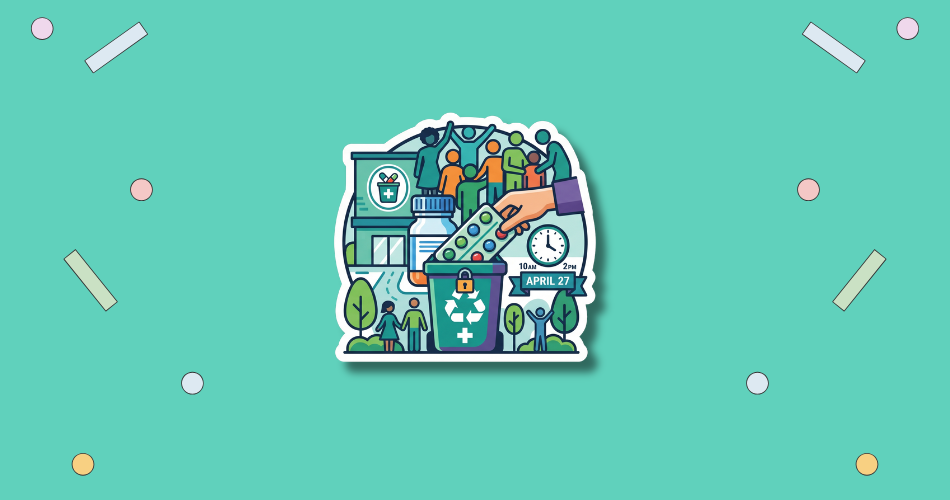
National Drug Take Back Day is typically observed on the last Saturday of April and October. In 2026, the spring event falls on Saturday, April 25, and the fall event falls on Saturday, October 31. This initiative aims to provide a safe, convenient, and responsible means of disposing of prescription drugs while educating the public about the potential for medication misuse. By encouraging people to clear out their medicine cabinets, the program helps prevent drug addiction and overdose deaths before they start.
Contents
See also: National Prescription Drug Take Back Day, National Surprise Drug Test Day, National Adverse Drug Event Awareness Day
HT Meter
Does this day matter to you?
Tap the meter if it does, and say whether you will be celebrating — that is what opens the wishes from everybody else who will be.
This day matters to me
0 Be the first to say so
Just getting started
0 Let others know you’re in.
Wishes, greetings and stories
Join the celebration to share a wish, a greeting, or how this day goes in your house.
These are kept for the people celebrating this day. Say you will be celebrating to read them and to add your own.
You have already shared something here recently.
Nothing here yet. Yours would be the first.
History of National Drug Take Back Day
The Drug Enforcement Administration (DEA) launched the first National Prescription Drug Take Back Day on September 25, 2010. This inaugural event was a response to the growing public health crisis involving prescription drug diversion and abuse. Before this initiative, there were few legal or safe ways for the public to dispose of controlled substances, leading many to keep unused pills in their homes or flush them down the drain. 1
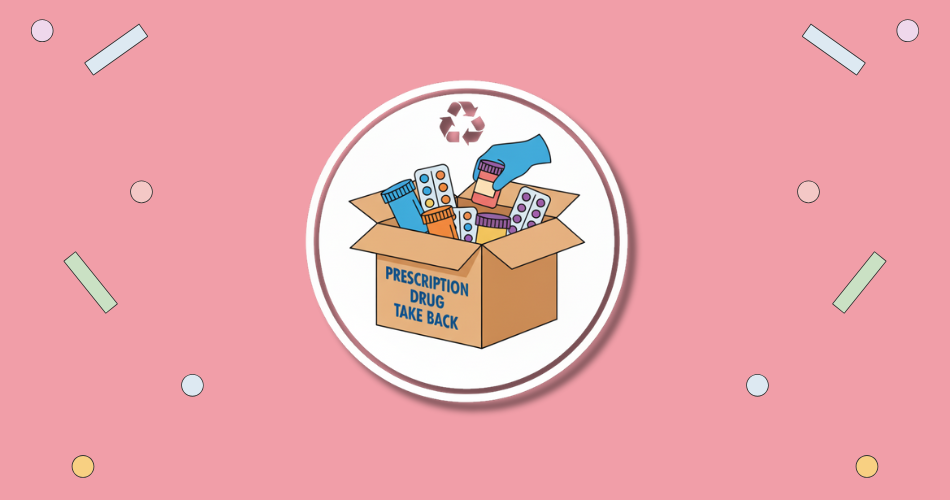
National Prescription Drug Take Back Day
Four days after the successful first event, Congress passed the Secure and Responsible Drug Disposal Act of 2010. This legislation amended the Controlled Substances Act, allowing the DEA to develop permanent regulations for the safe disposal of medications by the ultimate user. The act gave the DEA the authority to authorize local law enforcement and certain private entities, such as pharmacies, to accept returned medications. Since then, the events have become a semiannual tradition, collecting millions of pounds of unneeded medication across thousands of sites nationwide.
Why is National Drug Take Back Day important?
This day is important because it directly addresses the source of many prescription drug addictions: the home medicine cabinet. Statistics show that a majority of people who misuse prescription pain relievers obtain them from friends or family members, often without their knowledge. Removing these substances from the home eliminates the opportunity for accidental poisonings of children and pets, as well as the intentional diversion of drugs for illegal use or sale.
Furthermore, the initiative protects the environment by promoting proper disposal methods. Many people historically disposed of unwanted drugs by flushing them down the toilet or throwing them in the trash, which can contaminate local water supplies and soil. Most municipal sewage treatment plants are not equipped to filter out complex pharmaceutical chemicals. By providing a centralized, professional incineration process, National Drug Take Back Day ensures these chemicals are destroyed without leaching into the ecosystem.
- Over 17 million pounds of medication have been collected since the program began.
- Proper disposal prevents pharmaceuticals from entering the drinking water supply.
- It reduces the risk of accidental overdose among elderly populations.
- Most collection sites allow for anonymous drop-offs with no questions asked.
- The program helps combat the national opioid epidemic by limiting supply.
How to Celebrate National Drug Take Back Day
Make it yours
How would you like to spend National Drug Take Back Day?
Tick what fits you, and we will put together ideas made for this day — not for any day.
National Safety Dose Day
The primary way to observe this day is to gather all unused, unwanted, or expired medications from your household. This includes prescription tablets, capsules, patches, and even over-the-counter vitamins or pet medications. Once gathered, use the DEA’s online collection site locator to find the nearest drop-off point, which is usually a local police station or a designated community center. The service is free and protects your privacy, as you are encouraged to remove or black out your name from the prescription labels before drop-off.
If you cannot attend a physical event, you can still observe the spirit of the day by researching year-round disposal options. Many pharmacies and hospitals have permanent “drop boxes” installed in their lobbies that function similarly to the Take Back Day sites. For medications that are not on the FDA “flush list,” and when no take-back program is available, you can mix them with an unappealing substance like used coffee grounds or cat litter in a sealed bag before placing them in your household trash.
- Use the DEA website to locate a nearby collection site in your area.
- Check your medicine cabinet for expired prescriptions and liquid medications.
- Scratch out personal information on bottles before bringing them to a site.
- Encourage neighbors to participate by sharing the event time and location.
- Educate family members on the dangers of keeping unneeded medications.
National Drug Take Back Day Dates Table
| Year | Date | Day of the week |
|---|---|---|
| 2026 | April 25 | Saturday |
| 2027 next | April 24 | Saturday |
| 2028 | April 29 | Saturday |
| 2029 | April 28 | Saturday |
| 2030 | April 27 | Saturday |
National Adverse Drug Event Awareness Day
Thank you for your feedback!
Fuel the next post!