


National Sense of Smell Day

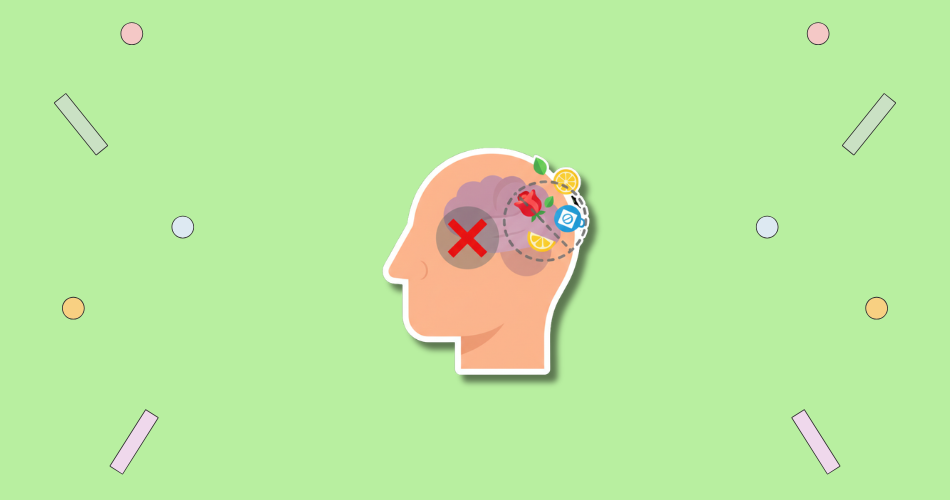
National Sense of Smell Day is observed on the last Saturday of April. In 2026, it falls on April 25. This day highlights the importance of olfaction, which is often considered the most underappreciated of the five senses. It serves as an educational platform to explain how the ability to detect odors impacts human health, safety, and emotional well-being by triggering memories and influencing the sense of taste.
Contents
HT Meter
Does this day matter to you?
Tap the meter if it does, and say whether you will be celebrating — that is what opens the wishes from everybody else who will be.
This day matters to me
0 Be the first to say so
Just getting started
0 Let others know you’re in.
Wishes, greetings and stories
Join the celebration to share a wish, a greeting, or how this day goes in your house.
These are kept for the people celebrating this day. Say you will be celebrating to read them and to add your own.
You have already shared something here recently.
Nothing here yet. Yours would be the first.
See also: International Nose Picking Day, National Perfume Day
History of National Sense of Smell Day
The observance was officially established in 1994 by the Sense of Smell Institute, which is the research and education division of The Fragrance Foundation. The goal was to create a structured way for museums, science centers, and children’s institutions to educate the public about the mechanics of the olfactory system. Since its inception, the day has focused on interactive exhibits that demonstrate how odorant molecules stimulate specialized nerve cells in the nasal cavity to send signals directly to the brain.
National Fragrance Day
Over the decades, the day has evolved to include a focus on medical awareness. Recently, it has gained renewed significance as healthcare professionals use the date to discuss anosmia—the loss of the sense of smell—which can be a symptom of various respiratory infections or neurodegenerative conditions. By partnering with educational venues across the United States, the founders have successfully integrated olfactory science into school curriculums and public health discussions, moving beyond the mere appreciation of pleasant fragrances.
Why is National Sense of Smell Day important?
The sense of smell serves as a primary early warning system for the human body. It allows individuals to detect environmental hazards that may not be visible or audible, such as leaking natural gas, smoke from a distant fire, or the presence of spoiled food. This protective function is one of the most primal aspects of human biology, rooted in evolutionary needs for survival and threat detection. Without this sense, individuals are at a significantly higher risk of accidental poisoning or injury in domestic environments.
Furthermore, olfaction is the only sense with a direct physical connection to the amygdala and hippocampus, the areas of the brain responsible for emotion and memory. This unique anatomy explains why a specific scent can instantly transport a person back to a vivid childhood moment or evoke a strong emotional response. The day also emphasizes the critical link between smell and taste; because the tongue can only distinguish five basic qualities, the majority of what people perceive as “flavor” is actually the result of olfactory receptors working in tandem with the palate.
- Scent cells are the only sensory nerve cells in the body that can regenerate every 30 to 60 days.
- The olfactory system is the first sense to fully develop and function in a human fetus.
- Humans are capable of distinguishing between thousands of different chemical odors.
- Loss of smell can serve as an early biological marker for neurological health issues.
- Pleasant aromas are scientifically proven to reduce stress levels and improve overall mood.
How to Celebrate National Sense of Smell Day
Make it yours
How would you like to spend National Sense of Smell Day?
Tick what fits you, and we will put together ideas made for this day — not for any day.

National Perfume Day
Participation is often centered around sensory exploration and testing. Many families and schools conduct “blind smell tests” using common household items like coffee grounds, lemon peels, vanilla extract, or fresh herbs. This activity helps participants become more mindful of the subtle nuances in their environment and demonstrates how the brain identifies complex chemical signatures without visual aid. It is also an ideal time to visit a local science museum to interact with specialized displays dedicated to the physics of fragrance.
On a practical level, the day can be used to perform safety checks around the home. This includes ensuring that carbon monoxide and smoke detectors are functioning, as well as being mindful of any unusual odors in the kitchen or basement. Individuals are also encouraged to practice “mindful smelling” by pausing to appreciate the natural aromas of the outdoors, such as rain on dry earth or blossoming flowers. By intentionally engaging with the olfactory environment, one can improve their sensory acuity and deepen their appreciation for the world’s hidden aromatic details.
- Conduct a home smell test with blindfolds and various spices to challenge your sensory memory.
- Take a nature walk specifically to identify different plant and soil scents in your area.
- Check the expiration dates on refrigerated items to ensure your sense of smell is detecting freshness correctly.
- Use high-quality essential oils or candles to create a calming olfactory environment at home.
- Visit a botanical garden or perfume boutique to experience rare and exotic aromatic profiles.
National Sense of Smell Day Dates Table
| Year | Date | Day of the week |
|---|---|---|
| 2026 | April 25 | Saturday |
| 2027 next | April 24 | Saturday |
| 2028 | April 29 | Saturday |
| 2029 | April 28 | Saturday |
| 2030 | April 27 | Saturday |