




Turkey Vulture Day
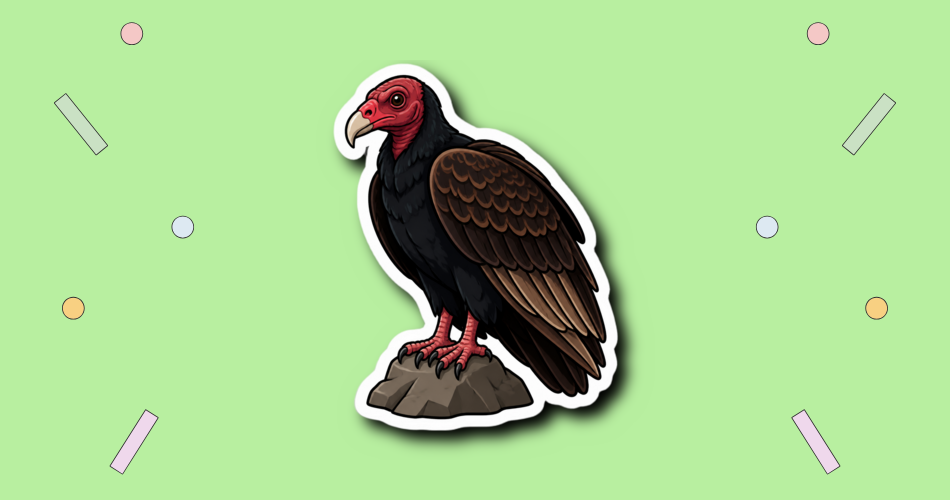
Turkey Vulture Day is celebrated on the first Saturday of September. In 2027, this date falls on September 4. This day honors the turkey vulture, a large bird of prey native to the Americas, and encourages people to learn about its ecology and importance.
Contents
HT Meter
Does this day matter to you?
Tap the meter if it does, and say whether you will be celebrating — that is what opens the wishes from everybody else who will be.
This day matters to me
0 Be the first to say so
Just getting started
0 Let others know you’re in.
Wishes, greetings and stories
Join the celebration to share a wish, a greeting, or how this day goes in your house.
These are kept for the people celebrating this day. Say you will be celebrating to read them and to add your own.
You have already shared something here recently.
Nothing here yet. Yours would be the first.
History of Turkey Vulture Day
Turkey Vulture Day has its roots in Hinckley, Ohio, where the holiday is sometimes called Buzzard Day. The observance celebrates the return of turkey vultures to the area each spring, but the modern Turkey Vulture Day on the first Saturday of September aligns with broader efforts to raise awareness about vultures. The day is part of International Vulture Awareness Day, which was founded in 2009 by Birds of Prey South Africa and the Hawk Conservancy Trust UK to highlight the plight of all vulture species.
Over time, Turkey Vulture Day has grown into a national observance in the United States, with zoos, wildlife centers, and conservation groups hosting events. The day aims to counter negative stereotypes about vultures and educate the public about their critical role in ecosystems. Turkey vultures are often misunderstood as dirty or dangerous, but they are actually clean, highly adapted birds that provide essential services.
Why is Turkey Vulture Day important?
Turkey vultures are nature’s cleanup crew. As obligate scavengers, they feed almost exclusively on carrion, which helps prevent the spread of diseases like rabies, botulism, and anthrax. Their highly corrosive stomach acid neutralizes pathogens that would be deadly to other animals, making them a vital part of a healthy environment.

Buzzards Day
Beyond disease control, turkey vultures support ecosystem balance by recycling nutrients. They also save money by reducing the need for carcass disposal. Despite these benefits, vulture populations face threats from poisoning, habitat loss, and collisions with power lines. Turkey Vulture Day raises awareness about these challenges and encourages conservation action.
- Turkey vultures have a keen sense of smell, allowing them to detect decaying animals from great distances.
- Their bald heads prevent bacteria from accumulating while feeding, a hygienic adaptation.
- Vultures are the only land vertebrates that rely almost entirely on carrion, giving them a unique ecological niche.
- They help reduce greenhouse gas emissions by consuming carcasses that would otherwise decompose and release methane.
- Protecting vultures also protects human health, as they limit the spread of zoonotic diseases.
How to Celebrate Turkey Vulture Day
Make it yours
How would you like to spend Turkey Vulture Day?
Tick what fits you, and we will put together ideas made for this day — not for any day.
Celebrating Turkey Vulture Day can be both educational and fun. Many zoos and wildlife centers host special events where visitors can meet live vultures, participate in crafts, and learn from experts. You can also watch documentaries about vultures to deepen your understanding of these remarkable birds. Hosting a vulture-themed party with friends is another creative way to spread awareness—decorate with vulture motifs and serve snacks that highlight the bird’s scavenger role.
For a more direct impact, consider donating to vulture conservation organizations such as the Vulture Conservation Foundation or Vulpro. You can also volunteer at a local wildlife rehabilitation center that cares for injured vultures. Sharing facts about turkey vultures on social media using hashtags like #TurkeyVultureDay or #VultureAwareness helps counter myths and promotes appreciation. Even a simple backyard observation of these soaring birds can be a meaningful way to honor the day.
- Attend a vulture event at a nearby zoo or nature center.
- Watch a nature documentary focused on vultures.
- Host a vulture-themed party with educational activities.
- Make a donation to a vulture conservation charity.
- Share vulture facts on social media to raise awareness.
Turkey Vulture Day Dates
| Year | Date | Day |
|---|---|---|
| 2026 | September 5 | Saturday |
| 2027 | September 4 | Saturday |
| 2028 | September 2 | Saturday |
| 2029 | September 1 | Saturday |
| 2030 | September 7 | Saturday |
Sorry to hear you didn't enjoy this article...

Turkey Lovers’ Day
Help us make it better!