



National Hummingbird Day
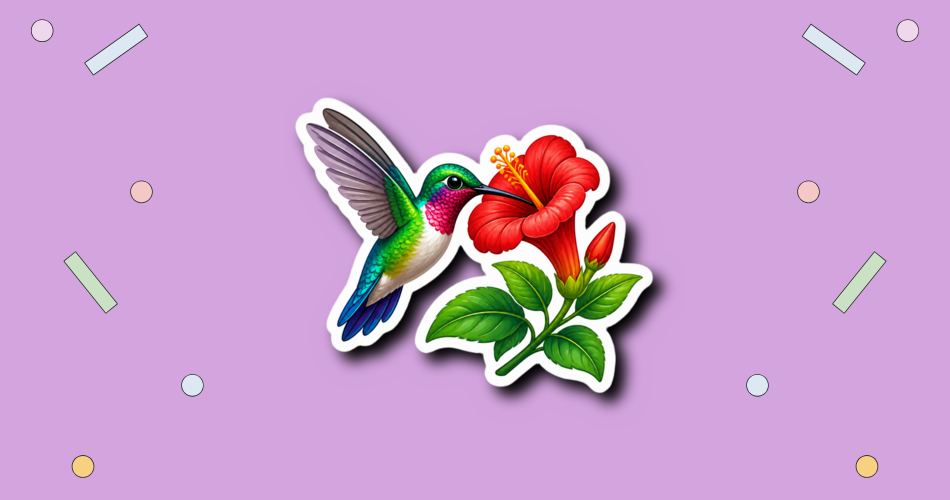
National Hummingbird Day is celebrated annually on the first Saturday of September. In 2027, this date falls on September 4. This day offers a chance to appreciate the remarkable agility and beauty of hummingbirds while also raising awareness about the challenges they face.
Contents
HT Meter
Does this day matter to you?
Tap the meter if it does, and say whether you will be celebrating — that is what opens the wishes from everybody else who will be.
This day matters to me
0 Be the first to say so
Just getting started
0 Let others know you’re in.
Wishes, greetings and stories
Join the celebration to share a wish, a greeting, or how this day goes in your house.
These are kept for the people celebrating this day. Say you will be celebrating to read them and to add your own.
You have already shared something here recently.
Nothing here yet. Yours would be the first.
History of National Hummingbird Day
National Hummingbird Day was created to highlight the ecological importance of hummingbirds and to inspire action for their conservation. These tiny birds are vital pollinators, and their survival is threatened by habitat loss, climate change, and pesticide use. The day encourages people to learn about the specific needs of hummingbirds, such as their high metabolism and dependence on nectar-rich flowers.
While the exact origins of the observance are not widely documented, it has gained traction in recent years through wildlife organizations and bird enthusiasts. The day is now recognized on various national day calendars, providing a structured opportunity to focus on hummingbird-friendly practices. Its placement in early September aligns with the late summer migration period for many North American species, making it a timely moment to support their journey.
Why is National Hummingbird Day important?
Hummingbirds play a crucial role in ecosystems as pollinators, visiting hundreds of flowers daily. Their ability to hover and fly backward makes them uniquely efficient at transferring pollen, which helps plants reproduce. Without them, many flowering plant species would struggle to thrive.
National Bird Day
The day also highlights the urgent need for conservation. Hummingbird populations are declining due to deforestation, urbanization, and the widespread use of neonicotinoid pesticides. By focusing on this day, communities can take concrete steps to create safe environments for these birds.
- Pollinator support: Hummingbirds help sustain wildflowers and gardens by pollinating plants that other insects cannot reach.
- Migration aid: Late summer is a critical time for hummingbirds to refuel before long migrations to Central America.
- Educational opportunity: The day encourages learning about hummingbird behavior, such as their torpor state at night to conserve energy.
- Habitat creation: Planting native, nectar-rich flowers like bee balm and trumpet vine provides essential food sources.
- Community engagement: Local events and garden projects unite people to protect these birds.
How to Celebrate National Hummingbird Day
Make it yours
How would you like to spend National Hummingbird Day?
Tick what fits you, and we will put together ideas made for this day — not for any day.
Celebrate National Hummingbird Day by transforming your outdoor space into a hummingbird haven. Plant a variety of tubular flowers in bright colors like red, orange, and pink, which attract hummingbirds most effectively. Avoid using pesticides, as they can poison the birds and reduce insect prey. Set up clean, sugar-water feeders (four parts water to one part sugar) and change the solution every few days to prevent mold.
Another meaningful way to celebrate is by supporting organizations dedicated to hummingbird conservation. Consider donating to groups that protect migratory stopover habitats or participate in citizen science projects like tracking hummingbird sightings. Share your observations on social media using the day's hashtag to spread awareness and inspire others.
- Plant a hummingbird garden with native flowers that bloom from spring to fall.
- Install a feeder and maintain it properly with regular cleaning and fresh nectar.
- Avoid pesticides in your yard to ensure a safe environment for hummingbirds and their insect food sources.
- Provide a water source, such as a shallow birdbath with a mister, for drinking and bathing.
- Join a local event like a native plant sale or guided hummingbird walk to connect with fellow enthusiasts.
National Hummingbird Day Dates
| Year | Date | Day |
|---|---|---|
| 2026 | September 5 | Saturday |
| 2027 | September 4 | Saturday |
| 2028 | September 2 | Saturday |
| 2029 | September 1 | Saturday |
| 2030 | September 7 | Saturday |
Sorry to hear you didn't enjoy this article...
National Go Birding Day
Help us make it better!