


World Day Against Trafficking In Persons

World Day Against Trafficking In Persons is observed annually on July 30. In 2027, this date falls on a Friday. This global day of awareness calls attention to the millions of people trafficked for forced labor, sexual exploitation, and other forms of modern slavery, and urges governments, organizations, and individuals to take action against this crime.
Contents
HT Meter
Does this day matter to you?
Say that it does, and say whether you will be marking it. Both are anonymous to nobody but kind to everybody.
This day matters to me
0 Be the first to say so
Quietly remembered
0 Nobody has said so yet
Notes of remembrance
Join those marking this day to share a word, a memory, or the reason it matters to you.
These notes are kept for the people marking this day. Say you will be marking it to read them and to leave your own.
You have already shared a note here recently.
No notes yet. Yours would be the first.
History of World Day Against Trafficking In Persons
The United Nations General Assembly adopted the Global Plan of Action to Combat Trafficking in Persons in 2010, which established a voluntary Trust Fund for victims of trafficking and urged worldwide cooperation to defeat human trafficking. Building on this framework, the UN General Assembly adopted resolution A/RES/68/192 in 2013, officially designating July 30 as the World Day Against Trafficking in Persons. The day was created to raise awareness of the plight of trafficking victims and to promote and protect their rights.
Since its inception, the day has focused on different aspects of human trafficking. The 2026 theme, "Trapped Behind the Scam," highlights a rapidly growing form of trafficking in which transnational organized crime groups force people to carry out industrial-scale online fraud, including romance scams and cryptocurrency fraud. The United Nations Office on Drugs and Crime (UNODC) estimates that such scams caused between US$18 billion and US$37 billion in financial losses in East and South-East Asia in 2023 alone.
Why is World Day Against Trafficking In Persons important?
Human trafficking is a grave violation of human rights that affects every country in the world, whether as a source, transit, or destination for victims. According to UNODC, in 2022 victims from 162 nationalities were trafficked to 128 different countries. About 70% of those investigated, prosecuted, and convicted for trafficking were men, while African victims accounted for 31% of cross-border trafficking flows. The crime is also deeply connected to other forms of organized crime, such as cybercrime, money laundering, and corruption.
National Human Trafficking Awareness Day
Trafficking victims often suffer physical and psychological abuse, including sexual exploitation, forced labor, debt bondage, and isolation from the outside world. The day serves as a crucial reminder that trafficking is not a distant problem—it occurs in both wealthy and developing nations. By shining a light on the mechanisms of trafficking and the experiences of survivors, the observance helps mobilize political will, resources, and public support to end this crime.
- Human trafficking is a modern form of slavery involving force, fraud, or coercion for labor or commercial sex.
- Over 40 million people are victims of human trafficking worldwide, according to the International Labor Organization.
- Traffickers often recruit victims through fake job advertisements and then confine them in illegal compounds.
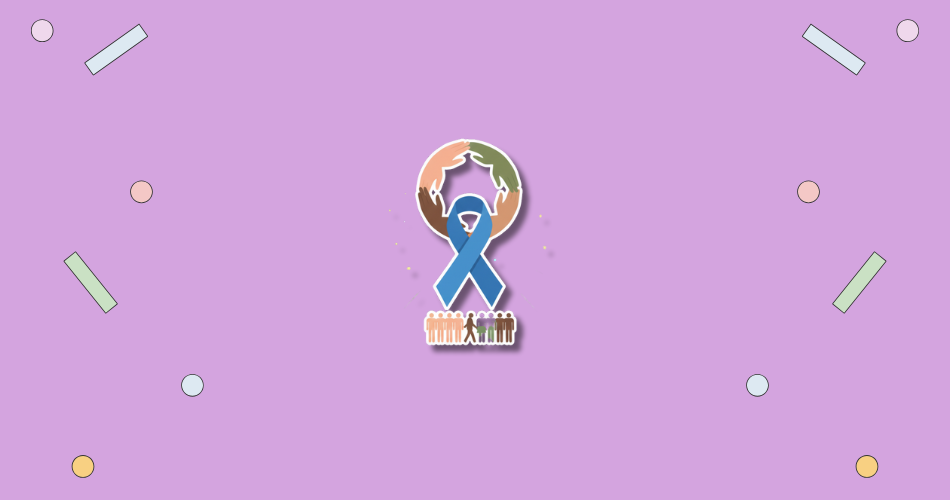
- The Blue Heart symbol represents solidarity with victims and the cold-heartedness of traffickers.
- The United Nations Voluntary Trust Fund for Victims of Human Trafficking provides on-the-ground assistance to survivors.
How to Observe World Day Against Trafficking In Persons
Make it yours
How would you like to spend World Day Against Trafficking In Persons?
Tick what fits you, and we will put together ideas made for this day — not for any day.
Everyone can play a role in combating human trafficking. Start by learning the signs of trafficking, such as someone who appears fearful, shows signs of physical abuse, or is not free to come and go. If you suspect someone is a victim, call the National Human Trafficking Hotline at 1-888-373-7888. Sharing accurate information on social media using the hashtags #EndHumanTrafficking and #WorldDayAgainstTraffickingInPersons helps spread awareness and encourages others to take action.
Another meaningful way to observe the day is to support organizations that assist survivors. Donate to the United Nations Voluntary Trust Fund for Victims of Human Trafficking or join the Blue Heart Campaign. Be a conscientious consumer by learning about ethical supply chains and asking your local officials what they are doing to combat trafficking. By taking these steps, you help create a world where fewer people are trapped in exploitation.
World Day Against Trafficking In Persons Dates
| Year | Date | Day of the week |
|---|---|---|
| 2026 | July 30 | Thursday |
| 2027 next | July 30 | Friday |
| 2028 | July 30 | Sunday |
| 2029 | July 30 | Monday |
| 2030 | July 30 | Tuesday |
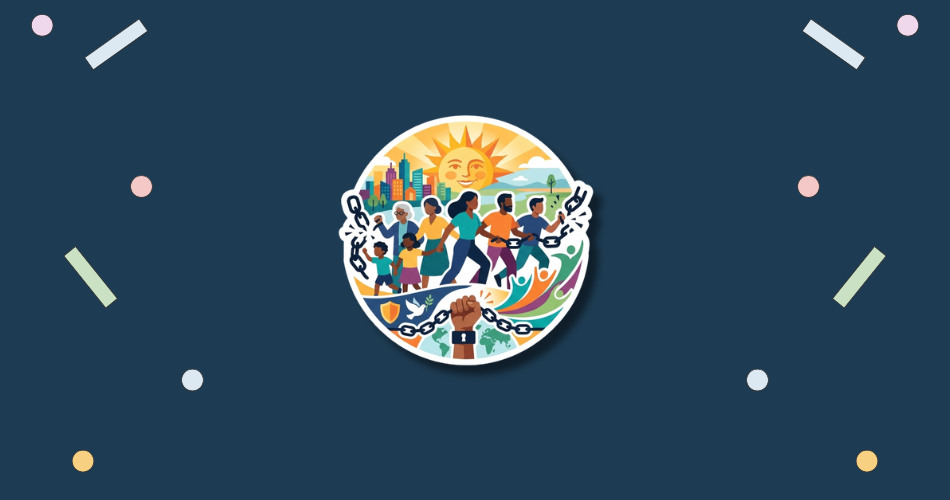
World Day of Fight against Sexual Exploitation
Thank you for your feedback!
Fuel the next post!
Sorry to hear you didn't enjoy this article...

Help us make it better!