

Cambodian New Year
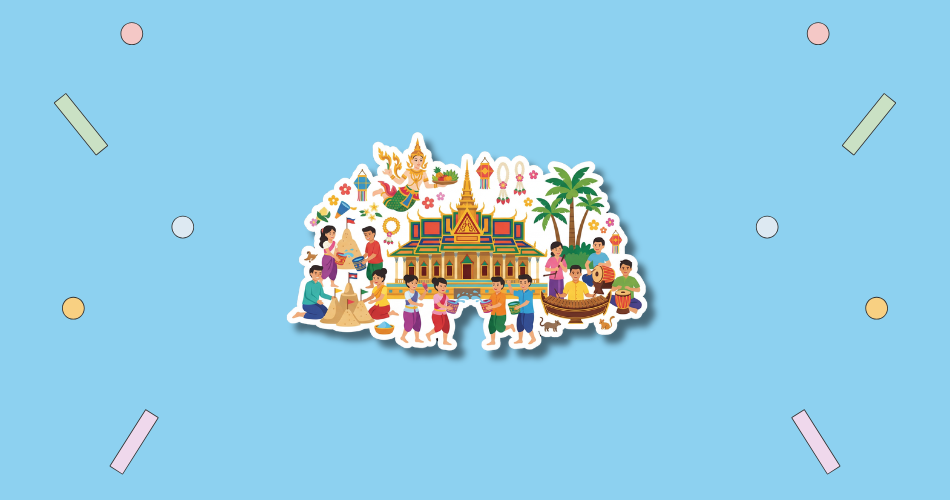
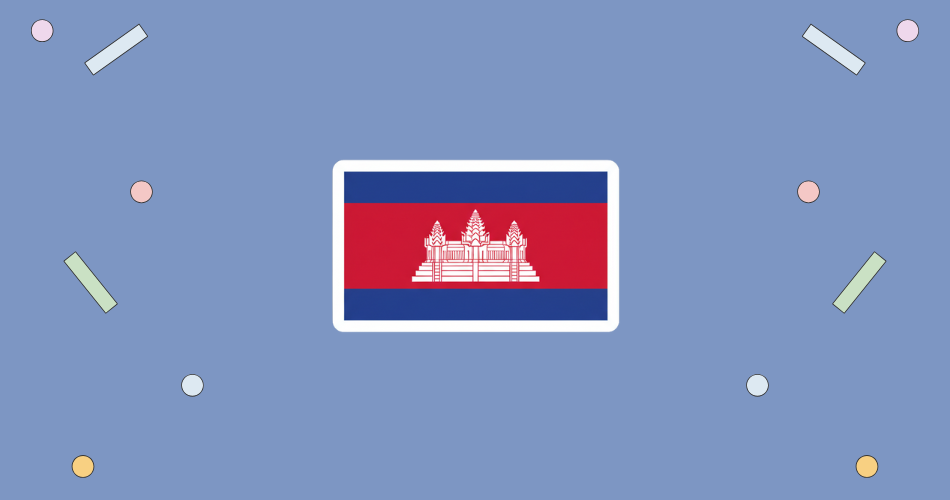
Cambodian New Year, also known as Chaul Chnam Thmey, is a traditional three-day festival observed annually on April 13 or 14. In 2026, it falls on April 14 and concludes on April 16. This holiday marks the end of the harvest season and the beginning of the solar new year, serving as a vital time for families to reunite, perform religious rituals, and celebrate the completion of their agricultural labors before the arrival of the rainy season.
Contents
Read also about Theravada New Year, Aztec New Year, Chinese New Year, Mahayana New Year
HT Meter
Does this day matter to you?
Tap the meter if it does, and say whether you will be celebrating — that is what opens the wishes from everybody else who will be.
This day matters to me
0 Be the first to say so
Just getting started
0 Let others know you’re in.
Wishes, greetings and stories
Join the celebration to share a wish, a greeting, or how this day goes in your house.
These are kept for the people celebrating this day. Say you will be celebrating to read them and to add your own.
You have already shared something here recently.
Nothing here yet. Yours would be the first.
History of Cambodian New Year
The roots of the festival are tied to ancient Hindu traditions that were later integrated into Theravada Buddhism. Originally, the Khmer New Year was celebrated during the first month of the lunar calendar, which usually falls in November or December. However, in the 13th century, during the Angkor Era, a Khmer King moved the celebration to the fifth lunar month in April. This shift was practical; November through March was the busiest time for farmers to harvest rice, while April provided a much-needed period of rest during the hottest part of the year.
Theravada New Year
A central legend explaining the holiday involves a contest between a wise young man named Dhammabal Koma and the King of Angels, Kabillaprom. The King of Angels challenged the young man with three riddles, promising to forfeit his head if they were solved. Dhammabal Koma overheard the answers from two eagles and won the contest. To prevent his severed head from burning the earth or evaporating the oceans, his seven daughters were tasked with carrying it in a ceremonial procession around Mount Sumeru once a year. This rotation of the daughters represents the “New Angel” who comes to protect the world for each new year.
Why is Cambodian New Year important?
This holiday is significant because it reinforces the cultural and spiritual identity of the Khmer people. It is a time for “Moha Sangkran,” or the welcoming of the New Angel, which brings hope for a prosperous year and good weather. The three-day structure provides a dedicated rhythm for spiritual duties, including making offerings to monks and honoring ancestors. It serves as a collective reset, allowing individuals to clear away the misfortunes of the past year and invite positive energy into their homes.
The social importance of the festival lies in its ability to bridge generational gaps and strengthen community bonds. It is one of the few times in the year when rural and urban populations fully converge, as city dwellers return to their home provinces. The playing of traditional games and the participation in communal water splashing foster a sense of shared joy and national unity. These activities emphasize physical dexterity, mental wit, and the preservation of ancestral customs that have survived for centuries.
- It marks the traditional transition from the harvest to the new solar cycle.
- Families gather to pay respects to elders and ancestors through formal rituals.
- The festival provides a major economic boost to local markets and tourism.
- Communities participate in sand mountain building to gain spiritual merit.
- It preserves ancient Khmer folk games and traditional music and dance forms.
How to Celebrate Cambodian New Year
Make it yours
How would you like to spend Cambodian New Year?
Tick what fits you, and we will put together ideas made for this day — not for any day.
Mahayana New Year
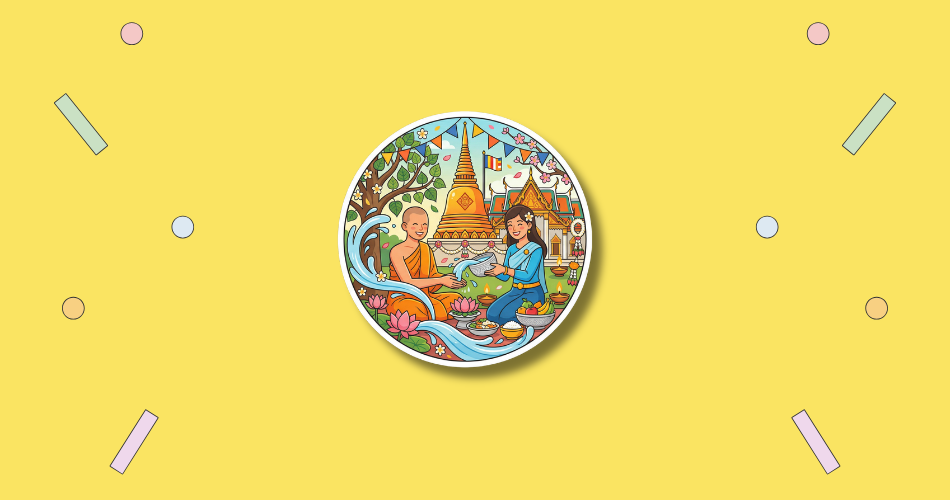
Celebrating involves specific rituals for each of the three days. On the first day, Moha Sangkran, people clean their homes and set up altars with fruits, drinks, and incense to welcome the New Angel. On the second day, Virak Vanabat, the focus shifts to charity and giving gifts to parents and the less fortunate. The final day, Vearak Loeng Sak, is characterized by “Pithi Srang Preah,” where Buddha statues and elders are bathed with perfumed water to symbolize purification, respect, and the washing away of sins.
In public spaces and temple grounds, the atmosphere is festive and active. People gather to play traditional games like “Bos Angkunh,” a fruit-seed throwing game, or “Leak Kanseng,” a competitive game involving a hidden towel. In many cities, streets become lively areas for water and talcum powder battles, reflecting the purification theme of the holiday. Visiting a local pagoda is essential, as families bring food offerings to monks to receive blessings and ensure a year filled with peace and health.
- Prepare an altar with five candles and five incense sticks to welcome the angel.
- Cleanse Buddha statues at home using water scented with fresh flowers.
- Visit a pagoda to offer food and prayers for the spirits of ancestors.
- Participate in traditional games like tug-of-war or scarf-hiding with friends.
- Pour scented water over the hands of elders to seek their blessings and forgiveness.
Cambodian New Year Dates Table
| Year | Date | Day of the week |
|---|---|---|
| 2026 | April 14 | Tuesday |