


National Dolphin Day
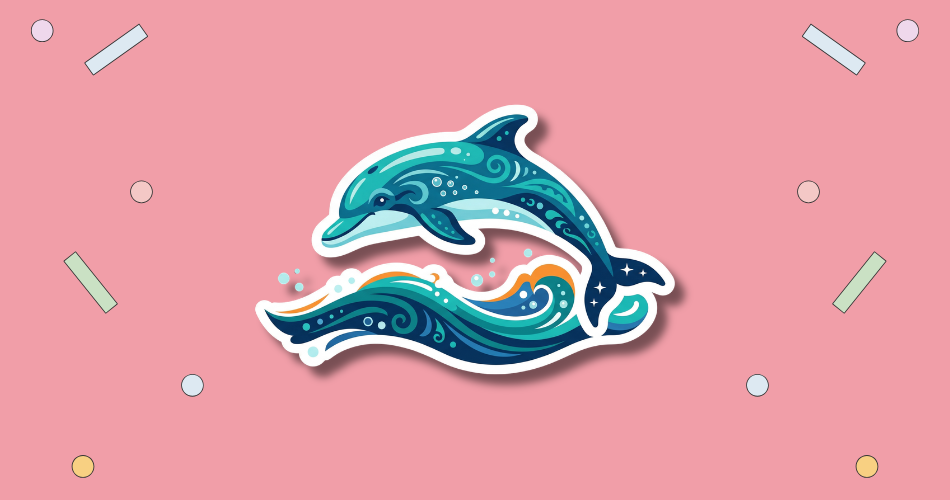
National Dolphin Day is an annual celebration of the intelligence and social complexity of one of the world’s most beloved marine mammals and is observed annually on April 14. In 2027, this date falls on a Wednesday. This day highlights the biological importance of dolphins within ocean ecosystems and serves as a call to protect them from environmental threats, commercial fishing hazards, and the loss of their natural habitats.
Contents
Read also about Marine Mammal Rescue Day, World Whale Day, World Tuna Day
HT Meter
Does this day matter to you?
Tap the meter if it does, and say whether you will be celebrating — that is what opens the wishes from everybody else who will be.
This day matters to me
0 Be the first to say so
Just getting started
0 Let others know you’re in.
Wishes, greetings and stories
Join the celebration to share a wish, a greeting, or how this day goes in your house.
These are kept for the people celebrating this day. Say you will be celebrating to read them and to add your own.
You have already shared something here recently.
Nothing here yet. Yours would be the first.
History of National Dolphin Day
The origins of this day are closely tied to the environmental activism of the late 20th century. In 1987, the International Marine Mammal Project (IMMP) of the Earth Island Institute began a major campaign to stop the mass killing of dolphins in tuna fishing nets. At the time, hundreds of thousands of dolphins were dying each year as “bycatch” in the Eastern Tropical Pacific. Public outcry intensified after the release of undercover footage showing the brutality of these fishing practices, leading the Earth Island Institute to designate April 14, 1990, as a day of protest and a national boycott of tuna products.
World Whale Day
The first observance in 1990 was intended to be a day of anger, but it quickly turned into a celebration of success. Just days before the holiday, major tuna companies like StarKist announced they would no longer purchase tuna caught in nets that harmed dolphins. This led to the creation of the “Dolphin Safe” label, which significantly reduced dolphin mortality rates worldwide. Following this landmark victory, National Dolphin Day transitioned from a day of protest into an annual educational event supported by marine conservationists and educators across the country.
Why is National Dolphin Day important?
This day is significant because it recognizes dolphins as highly sentient beings with complex social structures and emotional depth. Research has shown that dolphins possess a level of self-awareness similar to humans, including the ability to recognize themselves in mirrors and use tools to protect their snouts while foraging. By highlighting these traits, the observance encourages a shift in how society views marine life, moving away from seeing them as mere resources and toward treating them as intelligent “non-human persons” worthy of legal protection.
Beyond their intelligence, dolphins play a critical role in maintaining the health of the oceans. As apex predators, they help regulate the populations of fish and squid, ensuring that no single species overpopulates and disrupts the marine food web. Protecting dolphins also means protecting the vast, shallow coastal waters they favor, which are often the same areas most affected by plastic pollution and climate change. The day provides a platform for scientists to share new findings on echolocation and dolphin communication, fostering a global appreciation for the mysteries still hidden beneath the waves.
- It celebrates the 40 different species of dolphins found in both oceans and rivers.
- The day promotes the historical success of the “Dolphin Safe” labeling program.
- It raises awareness about the dangers of plastic pollution and discarded fishing gear.
- Communities learn about the altruistic nature of dolphins, who often help injured pod members.
- The observance supports the closure of inhumane drive hunts and captive entertainment shows.
How to Celebrate National Dolphin Day
Make it yours
How would you like to spend National Dolphin Day?
Tick what fits you, and we will put together ideas made for this day — not for any day.
International Day of the Seal
Celebrating this day involves engaging with marine life in a way that respects their freedom and natural behaviors. For those near the coast, the best way to observe the day is through responsible dolphin-watching tours that follow strict guidelines to avoid disturbing the animals. Setting an alarm for an early morning walk along the beach can often lead to sightings, as many pods hunt near the shore during the sunrise hours. These experiences help build a personal connection to the ocean and motivate individuals to support marine conservation.
For those inland, the day can be celebrated through digital advocacy and the support of marine nonprofits. Watching documentaries like The Cove or Blackfish can provide a deeper understanding of the ethical challenges facing dolphins today. Many families use the day to conduct a “plastic audit” at home, identifying ways to reduce single-use plastics that might eventually end up in the sea. By sharing facts about dolphin intelligence on social media, enthusiasts help keep the plight of these animals in the public eye, ensuring they continue to receive the protection they need to thrive.
- Reduce your use of single-use plastics to prevent them from entering marine habitats.
- Support ocean conservation groups that work to remove “ghost nets” from the sea.
- Watch a reputable documentary to learn about the history of dolphin advocacy.
- Purchase only sustainably sourced seafood to help protect dolphin food sources.
- Visit a local library or science center to explore books on marine biology and cetaceans.
❓️ Dolphins Quiz
National Dolphin Day Dates Table
| Year | Date | Day of the week |
|---|---|---|
| 2026 | April 14 | Tuesday |
| 2027 next | April 14 | Wednesday |
| 2028 | April 14 | Friday |
| 2029 | April 14 | Saturday |
| 2030 | April 14 | Sunday |