



Constitution Day in Denmark
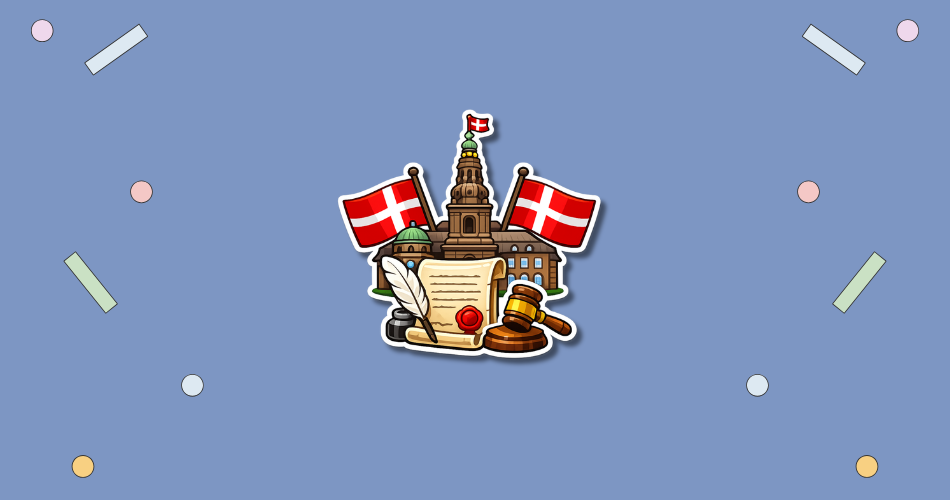
Constitution Day in Denmark is observed every year on June 5. In 2027, this date falls on a Saturday. Known in Danish as Grundlovsdag, the day honors the Danish Constitution and the democratic rights connected with it. It is one of Denmark’s most important civic dates, even though it is not a regular public holiday for everyone. The day is associated with speeches, public gatherings, the Danish flag, and reflection on freedom of speech, assembly, individual rights, and representative government. 1
Contents
See also: Constitution Day in Norway, Constitution Day in Poland, Constitution Day in Mexico
HT Meter
Does this day matter to you?
Tap the meter if it does, and say whether you will be celebrating — that is what opens the wishes from everybody else who will be.
This day matters to me
0 Be the first to say so
Just getting started
0 Let others know you’re in.
Wishes, greetings and stories
Join the celebration to share a wish, a greeting, or how this day goes in your house.
These are kept for the people celebrating this day. Say you will be celebrating to read them and to add your own.
You have already shared something here recently.
Nothing here yet. Yours would be the first.
History of Constitution Day in Denmark
Denmark’s first Constitution was signed on June 5, 1849, by King Frederik VII. That act changed Denmark from an absolute monarchy into a constitutional monarchy, limiting royal power and placing the country on a democratic path. The current Danish Constitution also dates to June 5, when the 1953 version came into force. Because both the first and current constitutions are tied to the same date, June 5 became the natural day for honoring Denmark’s constitutional system.
Constitution Day in Norway
The date also carries importance beyond the original 1849 document. On June 5, 1915, Danish women gained the right to vote, making the day strongly connected with political rights and broader democratic participation. Today, Constitution Day is commonly treated as Denmark’s closest equivalent to a national day, since the country does not have a separate official national day in the way many other countries do. It remains a civic occasion focused on the Constitution, public debate, and the principles that shape Danish society.
Why is Constitution Day in Denmark important?
Constitution Day in Denmark matters because it points directly to the legal foundation of Danish democracy. The Constitution sets out the structure of government, the role of the monarchy, the work of Parliament, and the rights that citizens and residents rely on in public life. It also protects principles such as freedom of expression and freedom of assembly, which are central to political debate and civic participation. The day gives those ideas a visible place in the calendar instead of leaving them only in legal texts.
The observance also shows how constitutional history continues to matter in daily life. Denmark’s democratic institutions did not appear all at once; they developed through reforms, political pressure, and changes in who could take part in public decision-making. Remembering that history helps explain why voting rights, open discussion, and limits on government power are not abstract ideas. They are practical protections that shape how people live, work, disagree, and participate in society.
- It honors Denmark’s constitutional monarchy and democratic system.
- The day connects civic rights with real national history.
- It highlights freedom of speech and freedom of assembly.
- June 5 also marks a key milestone for women’s voting rights.
- The observance keeps public attention on democratic participation.
How to Celebrate Constitution Day in Denmark
Make it yours
How would you like to spend Constitution Day in Denmark?
Tick what fits you, and we will put together ideas made for this day — not for any day.

Father's Day in Denmark
Attend a local Constitution Day speech, civic meeting, or community gathering if one is available. Political organizations, associations, and local groups often use the day for talks about democracy, rights, and current public issues. Reading a short section of the Danish Constitution can also make the day more meaningful, especially when paired with a discussion about how constitutional rights work in everyday life. The Danish flag, Dannebrog, is also closely associated with public observances and civic occasions.
Families, schools, and community groups can use the day to talk about voting, representation, and the responsibilities that come with democratic rights. A simple conversation about why constitutions matter can be useful for children and adults alike. The day also works well as a time to learn about the Folketing, Denmark’s Parliament, and the role of Christiansborg Palace in the country’s political life. For Danes living abroad, Constitution Day can be a way to stay connected with Danish history, language, and civic identity.
- Read about the Danish Constitution and its main rights.
- Listen to a Constitution Day speech or public address.
- Display the Danish flag where it is appropriate.
- Talk with children about voting and civic responsibility.
- Learn more about the Folketing and Danish democracy.
Constitution Day in Denmark Dates
| Year | Date | Day of the week |
|---|---|---|
| 2026 | June 5 | Friday |
| 2027 next | June 5 | Saturday |
| 2028 | June 5 | Monday |
| 2029 | June 5 | Tuesday |
| 2030 | June 5 | Wednesday |