
Father’s Day in Denmark

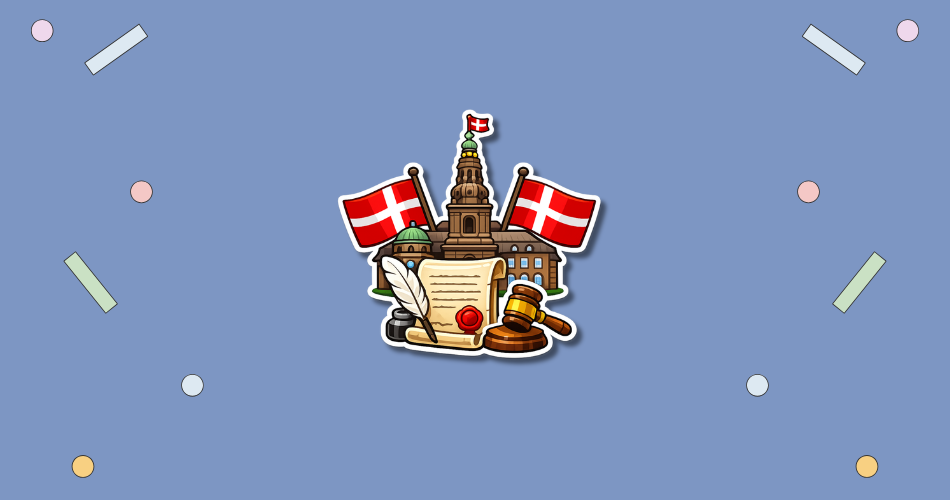
Father’s Day in Denmark is observed every year on June 5. In 2027, this date falls on a Saturday. Known in Danish as Fars dag, the day honors fathers, grandfathers, stepfathers, and father figures with appreciation, cards, small gifts, and time with family. It falls on the same date as Denmark’s Constitution Day, which gives the date a distinctive place on the Danish calendar. Father’s Day in Denmark is an observance rather than a statutory public holiday, but it is still a familiar family date for many households.
Contents
See also: Father’s Day, Husband Appreciation Day
HT Meter
Does this day matter to you?
Tap the meter if it does, and say whether you will be celebrating — that is what opens the wishes from everybody else who will be.
This day matters to me
0 Be the first to say so
Just getting started
0 Let others know you’re in.
Wishes, greetings and stories
Join the celebration to share a wish, a greeting, or how this day goes in your house.
These are kept for the people celebrating this day. Say you will be celebrating to read them and to add your own.
You have already shared something here recently.
Nothing here yet. Yours would be the first.
History of Father’s Day in Denmark
Father’s Day developed as a modern family observance that spread to many countries during the twentieth century, though dates differ widely from place to place. In Denmark, the date is June 5, the same day as Constitution Day, and the Danish name Fars dag is commonly used. Other Nordic countries observe Father’s Day on the second Sunday in November, so Denmark stands apart in the region by keeping the June date. Because the day shares the calendar with a major civic observance, it is often quieter and more family-centered than heavily public celebrations.

Father's Day
The broader idea behind Father’s Day is simple: setting aside a date to recognize the work, care, guidance, humor, and steady presence that fathers and father figures can bring to family life. In Denmark, the day sits beside a national date associated with democracy and civic identity, which can make June 5 feel both public and personal. Some families focus only on Constitution Day, while others make room for a card, a visit, a meal, or a small gift for dad. The day is best understood as a warm family observance rather than a formal national holiday.
Why is Father’s Day in Denmark important?
Father’s Day in Denmark gives families a clear date to acknowledge fathers and father figures without needing an elaborate event. A simple note, phone call, shared breakfast, or thoughtful errand can be enough to show gratitude. The day also recognizes that fatherhood is not limited to one model of family life. Grandfathers, foster fathers, stepfathers, uncles, mentors, and other caring adults may all be part of the day’s meaning.
The June 5 date also makes Denmark’s observance culturally distinctive. While many countries use the third Sunday in June, Denmark connects Father’s Day with a fixed national date. That connection does not make the day political, but it does place family appreciation within a wider Danish calendar moment. For children and adults alike, the observance can be a reminder to say specific thanks while people are present to hear it.
- It gives families a natural reason to thank fathers.
- The day includes many kinds of father figures.
- Small gestures can feel personal and sincere.
- It keeps family appreciation on the calendar.
- Denmark’s June 5 date makes the observance distinctive.
How to Celebrate Father’s Day in Denmark
Make it yours
How would you like to spend Father's Day in Denmark?
Tick what fits you, and we will put together ideas made for this day — not for any day.
Constitution Day in Denmark
Write a short card, make breakfast, bring flowers, or choose a small gift connected with a father’s hobbies. A relaxed family meal, coffee visit, walk, or video call works well when schedules are busy. Children may make handmade cards or drawings, while adults may choose something practical, personal, or quietly sentimental. Since June 5 also includes Constitution Day, some families may combine a family visit with civic events, speeches, or local gatherings.
A thoughtful celebration does not need to be expensive. Mention a specific memory, thank a father figure for something practical he has done, or take over a task he usually handles. For someone whose father has died, the day may be more reflective than cheerful, and a visit to a meaningful place or a quiet family conversation may fit better. The best approach is one that matches the relationship rather than a generic idea of what Father’s Day should look like.
- Send a card with a specific message.
- Make breakfast or share coffee together.
- Call a father figure who lives far away.
- Plan a simple family meal.
- Thank him for one thing he does often.
Father’s Day in Denmark Dates
| Year | Date | Day of the week |
|---|---|---|
| 2026 | June 5 | Friday |
| 2027 next | June 5 | Saturday |
| 2028 | June 5 | Monday |
| 2029 | June 5 | Tuesday |
| 2030 | June 5 | Wednesday |