
National Moonshine Day
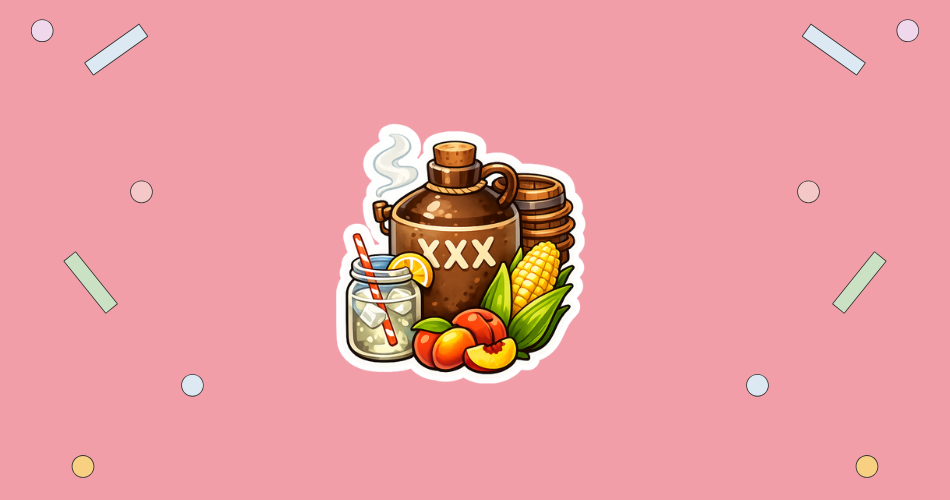
National Moonshine Day is observed every year on June 5. In 2027, this date falls on a Saturday. The day focuses on moonshine, a strong distilled spirit tied to American backroads, hidden stills, tax disputes, Prohibition stories, and modern craft distilling. It is a lighthearted food-and-drink observance, but it also works best with a little historical context and a clear reminder about legal, responsible consumption. Today, the word “moonshine” can refer both to illicit liquor and to legal spirits made by licensed distilleries. 1
Contents
See also: National Cognac Day, World Paloma Day, World Cider Day
HT Meter
Does this day matter to you?
Tap the meter if it does, and say whether you will be celebrating — that is what opens the wishes from everybody else who will be.
This day matters to me
0 Be the first to say so
Just getting started
0 Let others know you’re in.
Wishes, greetings and stories
Join the celebration to share a wish, a greeting, or how this day goes in your house.
These are kept for the people celebrating this day. Say you will be celebrating to read them and to add your own.
You have already shared something here recently.
Nothing here yet. Yours would be the first.
History of National Moonshine Day
National Moonshine Day does not have a clearly confirmed founder in widely available holiday records, so its modern origin should be treated cautiously. The subject behind the day, however, has a much deeper background. Moonshine is commonly associated with unaged, often clear distilled spirits, especially those made outside legal channels. In the United States, its story is linked to rural farming communities, corn mash, taxation, secrecy, and the practical need to turn surplus grain into something easier to store, transport, or sell.
National Bourbon Day
Moonshine culture is often connected with the Whiskey Rebellion, Appalachian distilling traditions, and the Prohibition era, when illegal alcohol production and bootlegging became much more visible. The name suggests nighttime work, hidden production, and efforts to avoid authorities. In modern use, “moonshine” is no longer only an outlaw term; many licensed distilleries legally sell spirits labeled as moonshine, white whiskey, or similar names. That shift gives the day a broader meaning: it recognizes a once-underground drink that became part of American folklore, regional storytelling, and craft beverage culture.
Why is National Moonshine Day important?
National Moonshine Day is important because it points to a complicated part of American food and drink history. Moonshine was never just a strong beverage in a jar; it was shaped by laws, taxes, geography, poverty, farming, and local ingenuity. For some communities, distilling was a way to make use of crops and survive difficult economic conditions. For law enforcement, it was an ongoing challenge tied to taxation, safety, and regulation.
The day also makes room for a more careful conversation about alcohol. Illicit distilling could be dangerous because poorly made spirits sometimes contained harmful contaminants or were produced with unsafe equipment. Legal producers operate under rules intended to protect consumers, and that distinction matters. National Moonshine Day can be enjoyable, but it should also promote moderation, respect for the law, and curiosity about the real history behind the legend.
- It preserves a distinctive piece of American folklore.
- It connects food history with farming and regional culture.
- It shows why alcohol regulation developed over time.
- It highlights the difference between legal spirits and unsafe liquor.
- It gives craft distilling a historical backdrop.
How to Celebrate National Moonshine Day
Make it yours
How would you like to spend National Moonshine Day?
Tick what fits you, and we will put together ideas made for this day — not for any day.
National Craft Distillery Day
Try a legal moonshine or white whiskey from a licensed distillery, especially one that explains its ingredients and production style. Sip slowly, measure pours carefully, and remember that some products can be high proof. A distillery tour can also be a useful way to learn how fermentation, distillation, proofing, and flavoring work. People who do not drink can still mark the day by reading about Prohibition, the Whiskey Rebellion, or the regional stories that made moonshine famous.
Food is another practical way to approach the day without making alcohol the only focus. Moonshine-inspired barbecue sauces, glazes, fruit preserves, and desserts often use the flavor as a small accent rather than the main event. A history-themed movie night, a country or bluegrass playlist, or a discussion of early stock-car culture can also fit the mood. The best celebrations keep the folklore lively while staying legal, safe, and grounded.
- Visit a licensed distillery that makes moonshine.
- Taste a small pour and compare it with whiskey.
- Read about Prohibition-era bootlegging.
- Make a moonshine-style barbecue glaze.
- Serve nonalcoholic drinks for guests who do not drink.
National Moonshine Day Dates
| Year | Date | Day of the week |
|---|---|---|
| 2026 | June 5 | Friday |
| 2027 next | June 5 | Saturday |
| 2028 | June 5 | Monday |
| 2029 | June 5 | Tuesday |
| 2030 | June 5 | Wednesday |