



Flooding of the Nile
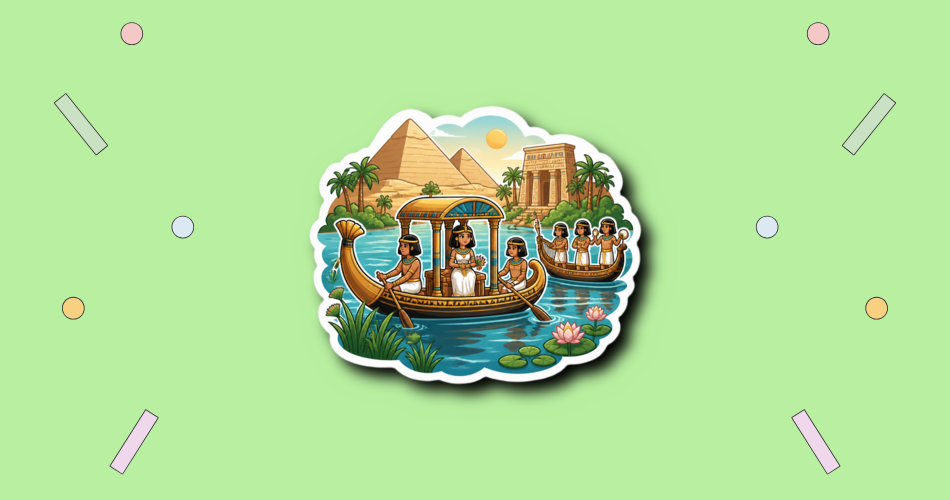
Flooding of the Nile is celebrated annually on August 15. In 2027, this date falls on a Sunday. This two-week festival, known as Wafaa-El-Nil, honors the life-giving importance of the Nile River to Egypt’s culture and economy. The celebration acknowledges how the river’s annual inundation shaped a rich history and continues to be a vital part of Egyptian identity.
Contents
HT Meter
Does this day matter to you?
Tap the meter if it does, and say whether you will be celebrating — that is what opens the wishes from everybody else who will be.
This day matters to me
0 Be the first to say so
Just getting started
0 Let others know you’re in.
Wishes, greetings and stories
Join the celebration to share a wish, a greeting, or how this day goes in your house.
These are kept for the people celebrating this day. Say you will be celebrating to read them and to add your own.
You have already shared something here recently.
Nothing here yet. Yours would be the first.
History of Flooding of the Nile
The Nile River has been central to Egyptian civilization for over 5,000 years. Its annual flooding deposited rich black silt that made agriculture possible in the desert. Ancient Egyptians believed the flood occurred because the goddess Isis wept for her husband Osiris after he was slain by Set. The river’s rise was seen as a divine gift, and its predictability allowed Egyptians to develop sophisticated farming techniques and build one of the world’s great empires.
The actual reason the flooding was so cherished was that the flooded river would leave behind black silt when the water levels returned to normal. This black silt was rich in minerals and vitamins that allowed crops planted in it to flourish. The river flooding was what allowed the Egyptians to grow successful crops in the desert. This floodplain constitutes only 3% of Egypt’s land and is very fertile. It was a general rule that the prosperity of the year was dependent on how much silt the floods left behind. If the floods did not cause the levels to rise that much then there would be famine in that year because what the people could plant was determined by how high the river had risen. Grain is stored in prosperous years in case of drought.
Why is Flooding of the Nile important?
Celebrating events that honor the past that created your modern culture and community is so important. In doing so you have the chance to connect with your ancestors who did the same thing so many years ago. The Flooding of the Nile is a precious opportunity to cherish the past and build on it for the future.

National River Day
Although the river no longer floods due to the Aswan High Dam completed in 1970, the festivities continue and provide a great opportunity for you to teach your kids about their heritage. Instilling your children with pride and knowledge of their country is the start to making them into citizens that love their country and do what they need to improve it.
- The Nile is the main water source of Egypt, Sudan, and South Sudan, supporting agriculture and fishing.
- The annual flood deposited mineral-rich silt that made the Nile Valley extraordinarily fertile.
- Ancient Egyptians developed basin irrigation to harness the floodwaters for farming.
- The flooding cycle shaped the Egyptian calendar and religious beliefs.
- Modern celebrations preserve cultural traditions and educate younger generations.
How to Celebrate Flooding of the Nile
Make it yours
How would you like to spend Flooding of the Nile?
Tick what fits you, and we will put together ideas made for this day — not for any day.
Ancient Egyptians celebrated the flooding of The Nile by taking it to the river in colorfully decorated boats. People sail, sing and praise their gods for the gifts of the river. In modern times, people still celebrate like this, but it’s more of a tribute to the past and the culture. Document and share what you see, on social media.
Celebrate by sailing The Nile and admiring the natural wonder that ancient Egyptians depended upon. You can rent a boat, ride the ferry or take part in one of the many celebrations already going on. Virtual tours are available. Take the time to remember what the day meant to people who depended on the river and its contribution to the economy and history of the country.
- Attend cultural festivals and events along the Nile.
- Visit museums like the Grand Egyptian Museum to see ancient artifacts.
- Take a Nile cruise to experience the river’s historical significance.
- Share historical facts and photos on social media using #FloodingOfTheNile.
- Learn about ancient Egyptian agriculture and the role of the Nile.
Flooding of the Nile Dates
| Year | Date | Day of the week |
|---|---|---|
| 2026 | August 15 | Saturday |
| 2027 next | August 15 | Sunday |
| 2028 | August 15 | Tuesday |
| 2029 | August 15 | Wednesday |
| 2030 | August 15 | Thursday |

Sorry to hear you didn't enjoy this article...

International Day of Action for Rivers
Help us make it better!